Your customers know your sambal, curry or signature sauce. Some return specifically for that flavour, while others ask whether they can buy it to enjoy at home. For a food business, that interest raises a practical question: could the taste customers associate with your brand become an instant noodle product? Custom instant noodle flavours offer an opportunity to extend that experience beyond a freshly prepared meal and into a format customers can keep in their kitchens.
However, developing a retail product involves more than putting your restaurant’s name on a packet. The flavour must work with the noodles, preparation needs to be convenient, and the finished product must suit its intended selling price and market. Before approaching a manufacturer, it helps to understand which parts of your signature dish should remain recognisable, what may need adapting and how the product will reach its customers.
Why Turn a Signature Flavour into Instant Noodles?
A signature flavour gives a new product a recognisable starting point. Existing customers already have a connection with the taste, while new shoppers have an opportunity to experience your brand without visiting an outlet. For a restaurant, packaged noodles could create another occasion for customers to enjoy its food identity. For a sauce or food brand, noodles could introduce a familiar flavour through a different product category.
The opportunity also extends to retailers and distributors looking for something relevant to their customers. A regional flavour, distinctive sauce or particular noodle texture can provide a clearer product identity than another broadly described spicy noodle. The concept still needs testing, but a specific flavour direction gives development a useful foundation. The question is whether that flavour can become a product customers enjoy enough to purchase again.
Define Your Customer and Sales Channel First
Before developing the recipe, establish who will buy the noodles and where they will be sold. A product created for existing restaurant customers has a different starting point from one entering an overseas supermarket. Your regular customers may immediately understand the dish behind the concept, while unfamiliar shoppers need the packaging to explain its flavour. These differences influence the product name, seasoning profile and presentation.
The sales channel also affects commercial planning. Selling through your own outlets involves different considerations from supplying supermarkets or working with an overseas distributor. The intended retail price needs to accommodate the costs and arrangements involved in that route. Sharing this information with an OEM instant noodle manufacturer early helps keep development connected to a workable business model, rather than producing an appealing sample that is difficult to sell at the required price.
Identify What Makes the Original Dish Distinctive
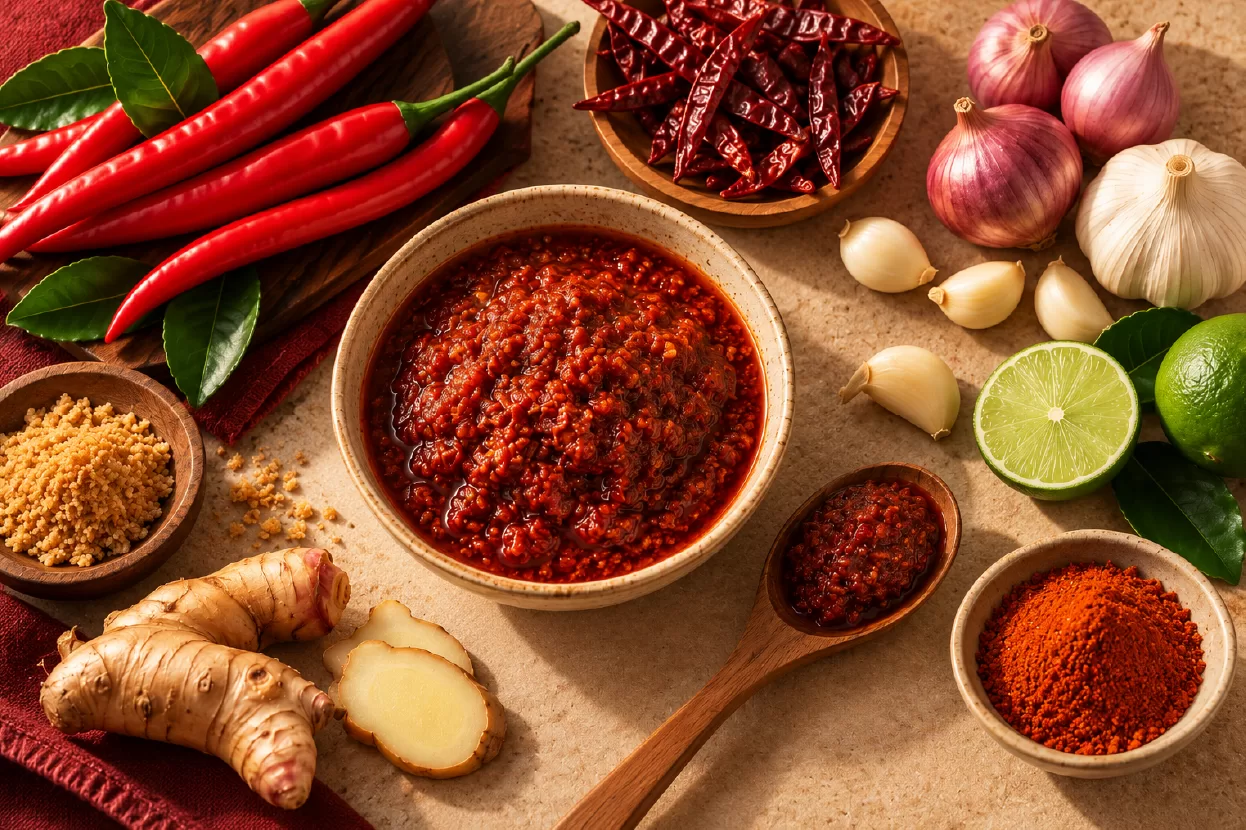
A signature dish may contain many ingredients, but certain characteristics define how customers remember it. These could include the aroma of fried garlic, the richness of coconut, the sharpness of lime or a particular balance between chilli and sweetness. Identifying those characteristics helps the development team understand what matters most. It also creates a clearer basis for assessing whether a sample represents the original concept.
For example, a business developing noodles inspired by its sambal should explain what makes that sambal different. Is it smoky, tangy, sweet or strongly aromatic? Does the heat arrive immediately or build gradually? A reference sample and a specific description provide more direction than simply requesting “extra spicy noodles”. The aim is to capture the flavour identity customers associate with your brand, rather than develop a generic version of the dish.
Understand How a Fresh Dish Becomes a Packaged Product
A restaurant can adjust seasoning during cooking, add fresh ingredients before serving and control how the finished dish reaches the table. An instant noodle product must deliver a consistent experience after storage and preparation by the customer. Ingredients that perform well in a kitchen may need a different format or approach when incorporated into a packaged product. Development therefore involves adapting the dish to its new setting.
The finished noodles may use a different balance of seasoning components while retaining the original flavour’s defining characteristics. Some accompaniments may be unsuitable for inclusion or may significantly change the cost and production requirements. Discussing these possibilities early helps establish an achievable product promise. Customers should recognise the inspiration while enjoying noodles designed specifically for convenient preparation, rather than expecting every element of a restaurant meal inside the packet.
Choose the Noodle and Seasoning Together
Noodle texture influences how the flavour is experienced. Width, thickness, firmness and the way noodles hold sauce all affect the finished bowl. A rich dry sauce may suit a different noodle from a light broth, while a product built around a substantial bite needs a different brief from one offering a softer texture. The noodle and seasoning should therefore be assessed as a complete product.
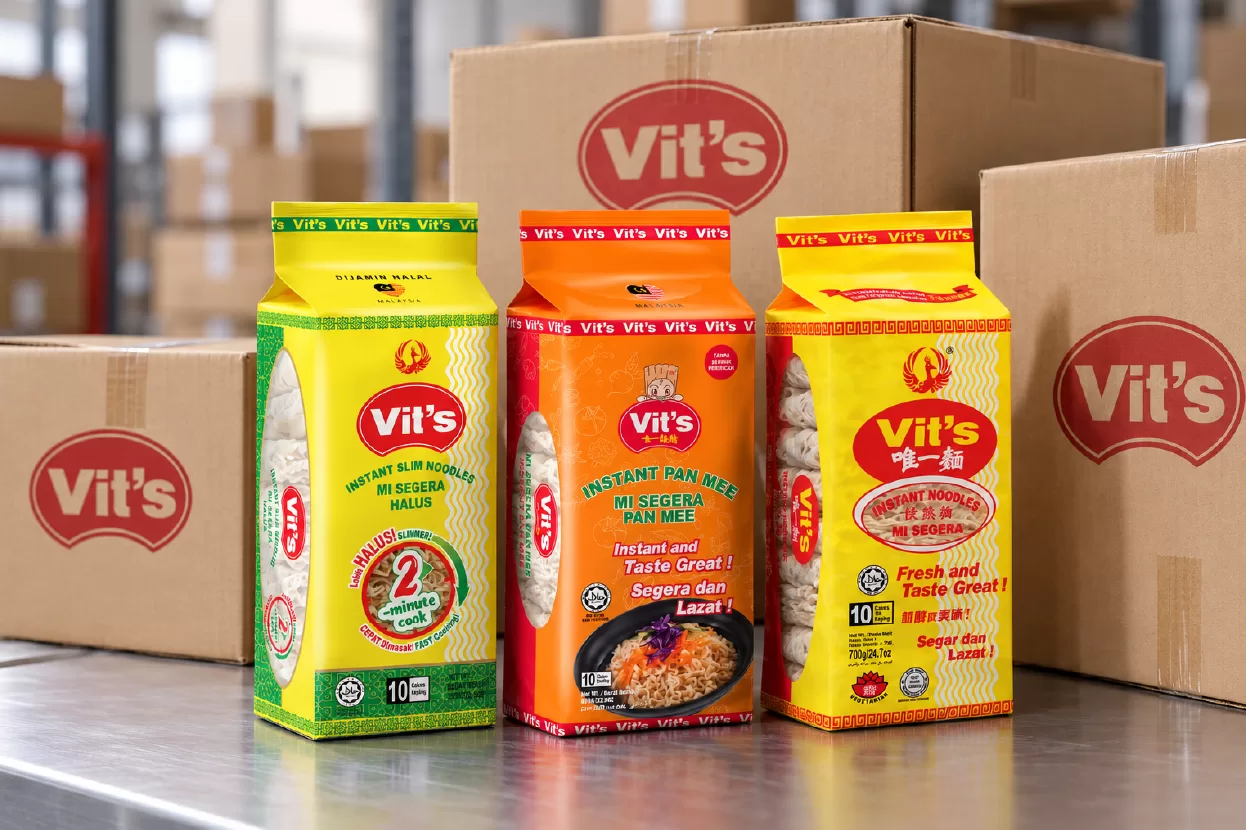
Reviewing the Vit’s product range can help establish references for the discussion. A texture, flavour style or preparation format may help explain what you want to achieve, even if the final product requires further development. Existing products provide useful starting points, but they do not automatically confirm that every proposed combination is feasible. The appropriate specification needs to be assessed against the recipe, preparation method and commercial requirements.
Decide Whether Soup or Dry Noodles Suit the Concept
Some signature dishes naturally suggest a broth, while others are recognised for a concentrated sauce. However, the original dish does not always determine the most suitable packaged format. Consider how customers will prepare the noodles and which format delivers the flavour most convincingly. The result should remain enjoyable throughout the meal, with the noodle and seasoning supporting each other.
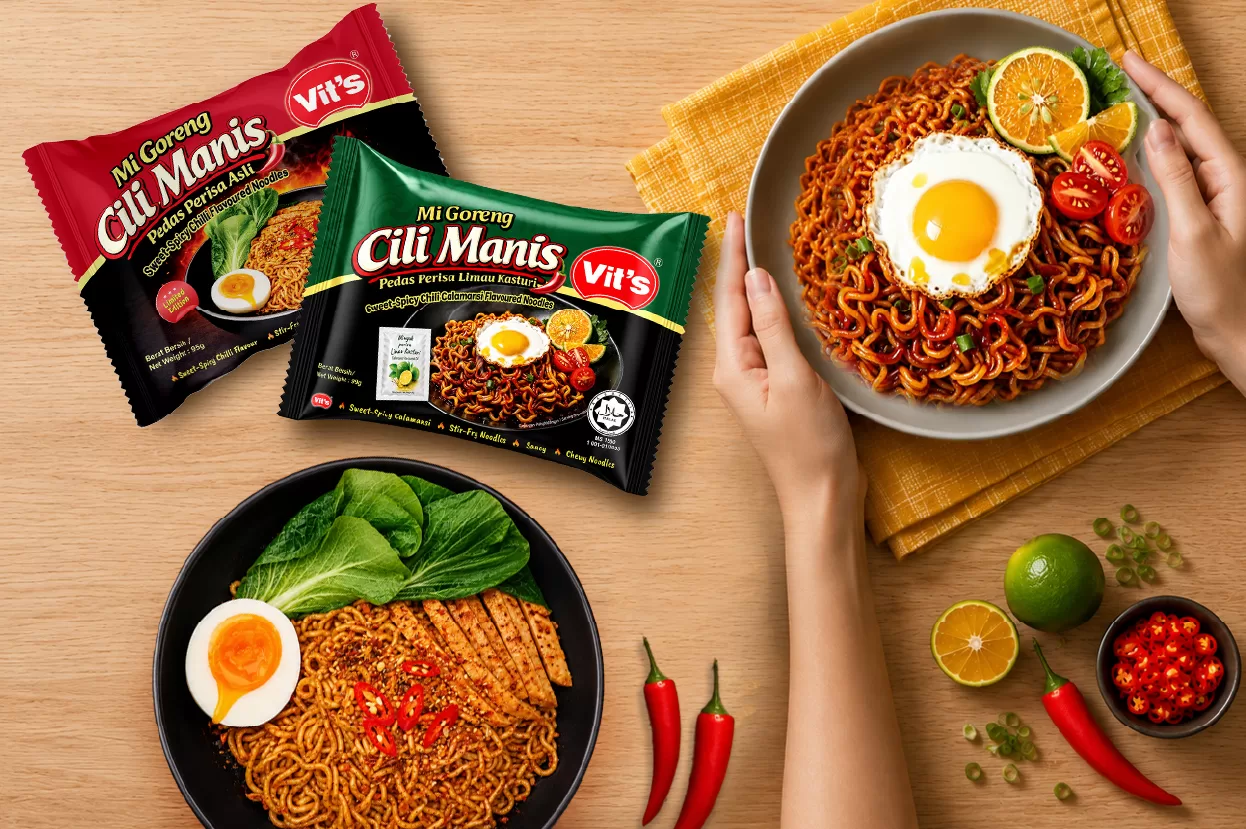
Soup development needs to account for the recommended water quantity and the resulting flavour balance. Dry noodles require seasoning that distributes evenly after draining. Preparation instructions should be tested alongside the recipe because changes in cooking time, draining or dilution can affect the result. Convenience is part of the product’s appeal, so customers should be able to prepare it successfully using clear instructions and appropriate equipment.
Set Commercial Requirements Before Approving Samples
A good-tasting sample is only one part of a viable retail product. Ingredients, noodle specifications, seasoning formats and packaging choices all influence cost and production requirements. If the intended selling price is discussed only after sample approval, the team may discover that the concept does not fit its planned market position. Establishing a price segment early provides a practical framework for development.
Explain which characteristics are essential and where there is room for adjustment. A particular aroma may be central to your brand, while an additional component may be optional. Businesses considering private label instant noodles should also clarify how the product will differ from existing alternatives. A useful brief connects the customer’s reason to purchase with a product the business can realistically produce, distribute and reorder.
Understand How Customisation Affects Order Quantities
Custom noodle manufacturing involves commitments beyond purchasing an existing product. A seasoning ingredient may need sourcing specifically for the recipe, while printed packaging and other materials can carry supplier minimums. These requirements affect the quantity needed to make the project workable. They should be reviewed before a launch date is announced or a business assumes it can begin with a small trial order.
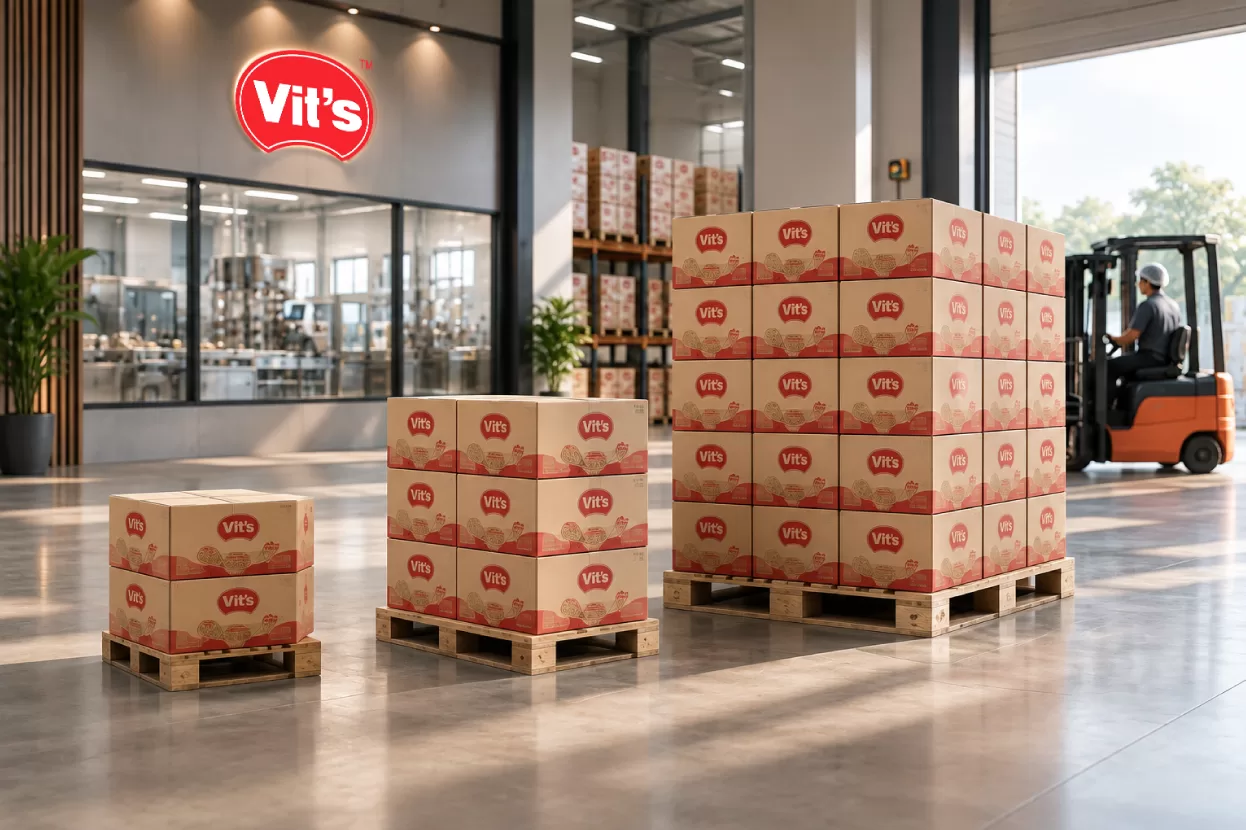
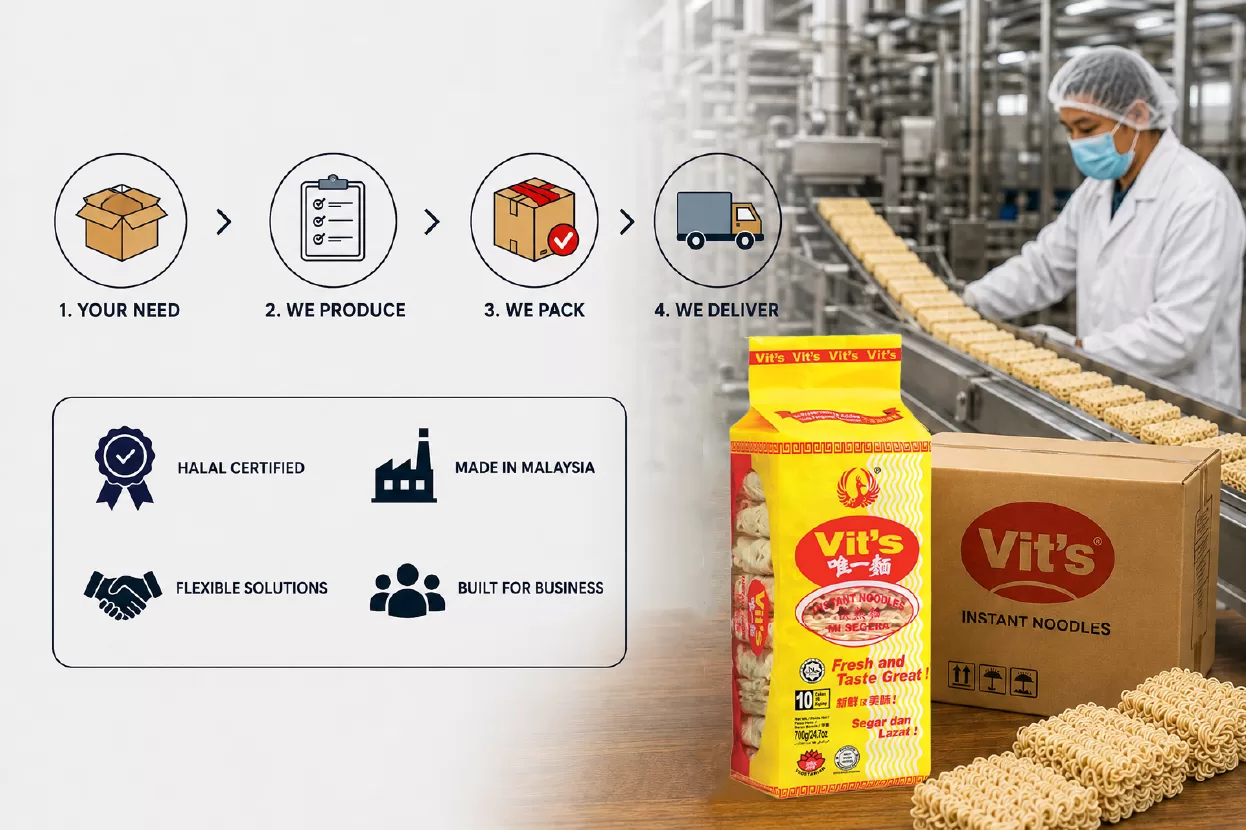
For Vit’s OEM enquiries, minimum order quantities can be around 500 to 1,000 cartons, depending on product complexity and ingredient sourcing. The applicable quantity must be confirmed for the actual project. This differs from bulk purchasing existing Vit’s products, which does not involve the same development and material commitments. Explaining which service you need helps the team assess the enquiry correctly from the beginning.
Make Sampling a Structured Decision Process
Sampling should assess the complete prepared product. Does the texture suit the seasoning? Is the broth balanced at the recommended water quantity? Does the flavour remain enjoyable after several mouthfuls? Prepare samples consistently so comparisons reflect the product itself. Changing cooking methods or adding different ingredients between versions can make it harder to identify which adjustments have improved the result.
Feedback should describe the issue clearly. “The sweetness masks the garlic aroma” gives more direction than “something is missing”. Where practical, involve people who resemble the intended customer alongside those familiar with the original dish. Both perspectives are useful: the brand understands its identity, while potential buyers help assess the packaged product’s appeal. Record what has been approved so everyone shares the same expectations as development progresses.
Prepare for Local and Export Markets Early
A product intended for Malaysia may need a different brief from one developed for overseas distribution. Familiarity with ingredients, dish names and spice profiles varies between audiences. Adaptation should follow the intended customer rather than an assumption that export products must always be milder. Some buyers seek a close representation of a regional dish, while others want a more accessible introduction.
Export planning also involves packaging information, language and destination requirements. Buyers should work with their relevant import or distribution partners to identify these matters before specifications and artwork are finalised. The packaging needs to explain the product to someone encountering it for the first time. Serving photography should also distinguish included components from optional additions, helping the prepared bowl meet the expectations created at the shelf.
Vit’s X Your Brand: Taking Your Signature Flavour Further
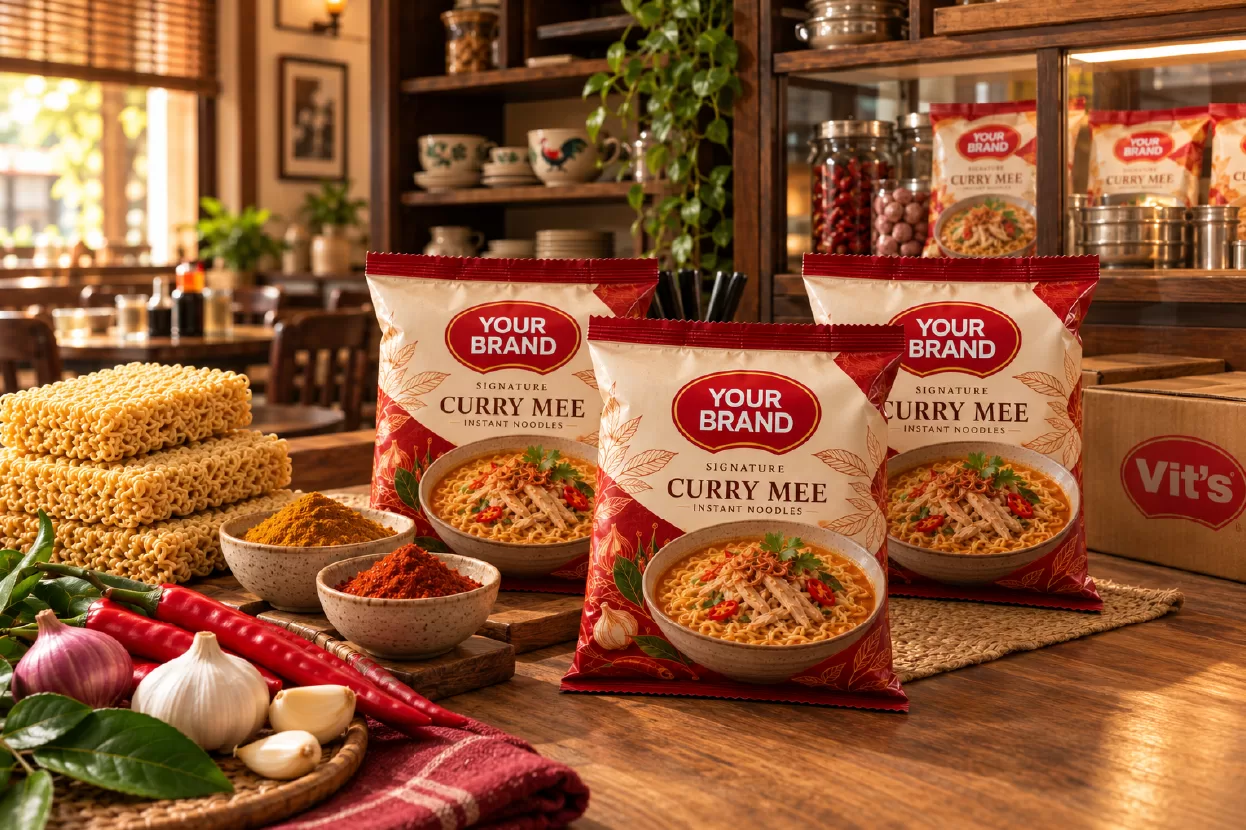
Selling your signature dish at your own outlets is a strong start. A noodle collaboration could take that flavour further, giving existing customers another way to enjoy it and introducing your brand to shoppers beyond your locations. It creates an opportunity for customers to encounter your food identity during their regular grocery trip, as well as through your own business.
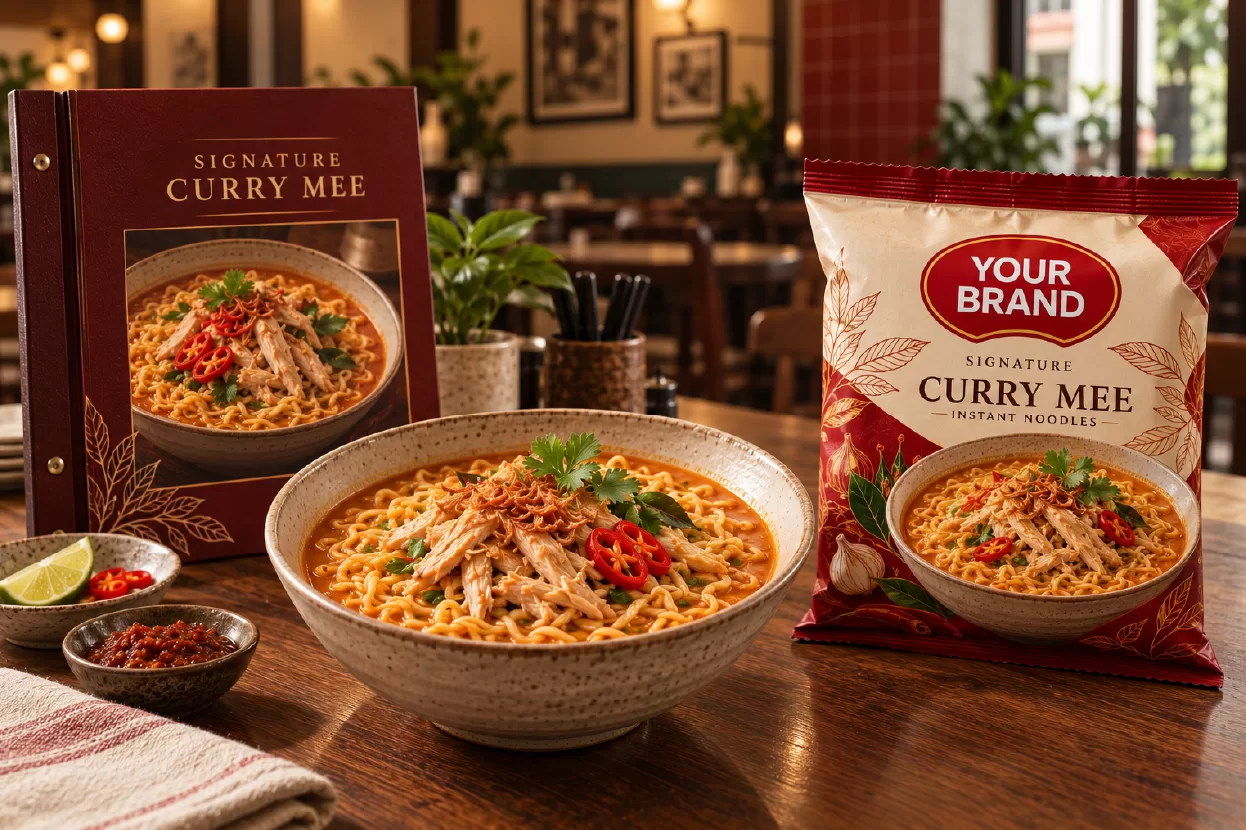
Alongside OEM and private label manufacturing, Vit’s explores brand collaborations where there is a shared product vision, demonstrated customer demand and a clear plan for bringing the product to market. These projects combine a partner’s signature flavour and brand identity with our noodle manufacturing experience. The aim is to develop a product that gives customers a reason to buy while supporting the commercial goals of both businesses.
With more than 300 retail partners, our local team can also explore suitable listing opportunities as part of a collaboration, subject to retailer acceptance and agreed commercial arrangements. This brings a potential retail direction into the discussion alongside product development. The opportunity extends beyond creating noodles: it involves considering how the finished product could reach customers and build lasting sales beyond its original outlets.
Prepare a Clear Brief for Your Noodle Project
You do not need a finished formulation before approaching a manufacturer, but you should have enough information to explain the opportunity. Describe the flavour concept, intended customer, target country and preferred soup or dry format. Include an estimated order quantity, intended price segment and any essential ingredient or certification requirements. If the concept is based on an existing dish, explain which characteristics must remain recognisable.
It also helps to explain your planned sales channels and the stage of the project. A business preparing an established range extension has different needs from one still assessing whether to enter the category. A clear brief allows the team to identify the main feasibility questions and explain what requires further review. Recipe approval, pricing and production timing can then be discussed against defined requirements.
Ready to Develop Your Own Instant Noodle Product?
Your signature flavour could become the starting point for noodles that customers enjoy beyond your own outlets. The next step is to assess how that flavour works with the noodle, what the project requires and whether the proposed quantity and market support a practical launch. Bringing these details together turns an interesting idea into a product brief that a manufacturer can evaluate.
For OEM and private label enquiries, explore Vit’s OEM services or private label solutions, then share your flavour concept, target market and estimated carton quantity. WhatsApp us at +60 12-631 2098 for a quicker response, or email [email protected]. Share your flavour concept, target market and estimated carton quantity so our product team can review your requirements and discuss the next steps.