You bought your usual instant noodles at a supermarket promotion, then came across a bulk purchase offer from the manufacturer. Naturally, the next question is: “If I buy directly from the factory, can I get an even lower price?” It is a reasonable question. Buying directly sounds like it should remove some costs, particularly when you are willing to purchase several cartons instead of a few packets. However, the price comparison is more complicated than it first appears.
For anyone considering bulk instant noodles in Malaysia, the important distinction is between a consumer’s bulk order and a retailer’s commercial purchasing volume. An order of 10 cartons may be substantial for a household, office or community programme, but it operates on a very different scale from an order of thousands of cartons. Understanding this difference explains why a manufacturer’s direct purchase offer may not beat the price available at your local supermarket or wholesaler.
What does buying in bulk actually mean?
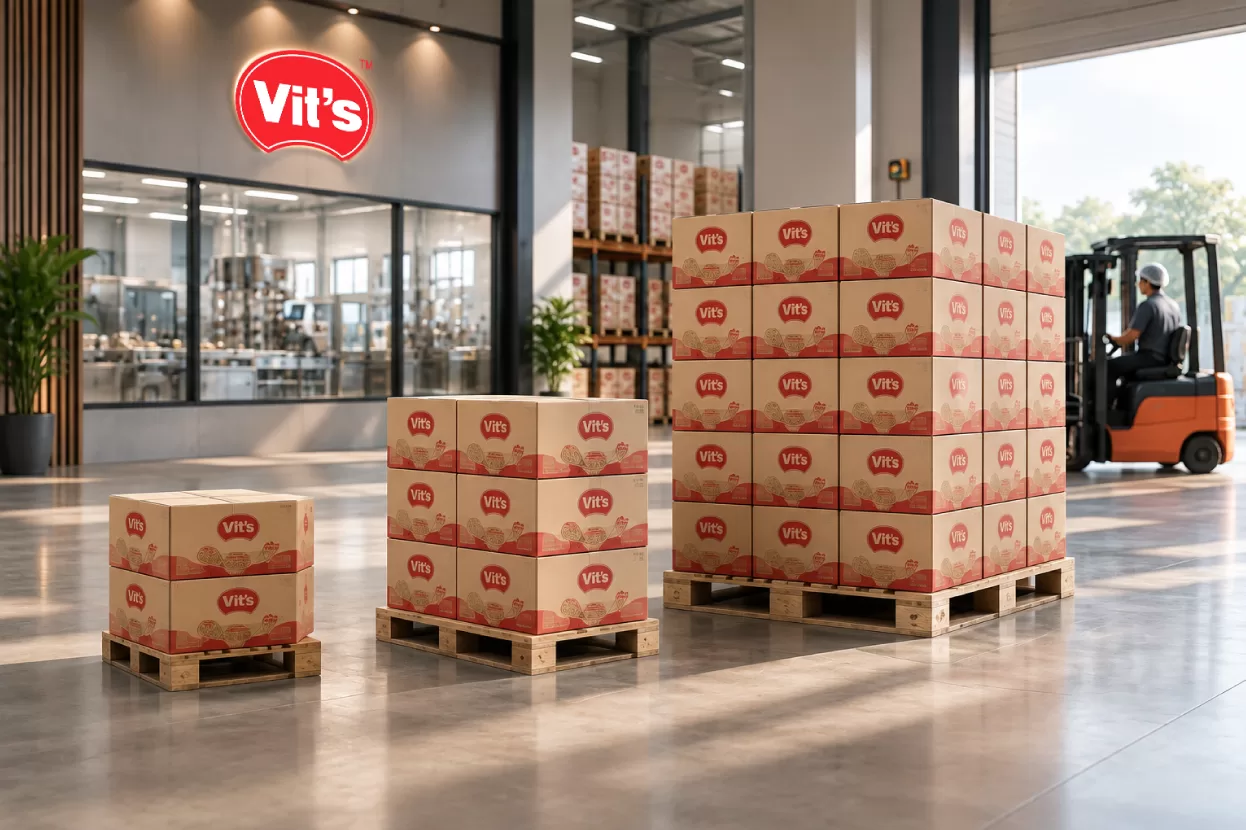
“Bulk purchase” describes buying a larger quantity, but the term does not refer to one fixed purchasing level. For an individual, 10 cartons can represent months of supply. For a company organising an event, it may cover a single distribution. For a retailer or wholesaler, bulk purchasing can involve thousands of cartons intended for sale across stores or through a wider distribution network. All these buyers are purchasing in quantity, but their order sizes and commercial arrangements are very different.
This matters because pricing is linked to more than whether the buyer contacts the factory directly. Quantity, product selection, delivery arrangements and the wider purchasing agreement can all affect a quotation. A manufacturer can offer a bulk purchase service for smaller buyers without applying the same pricing structure used for large trade orders. The service makes larger purchases accessible, but it does not turn a 10-carton purchase into the commercial equivalent of a 5,000-carton order.
Why retailers and wholesalers can offer competitive prices
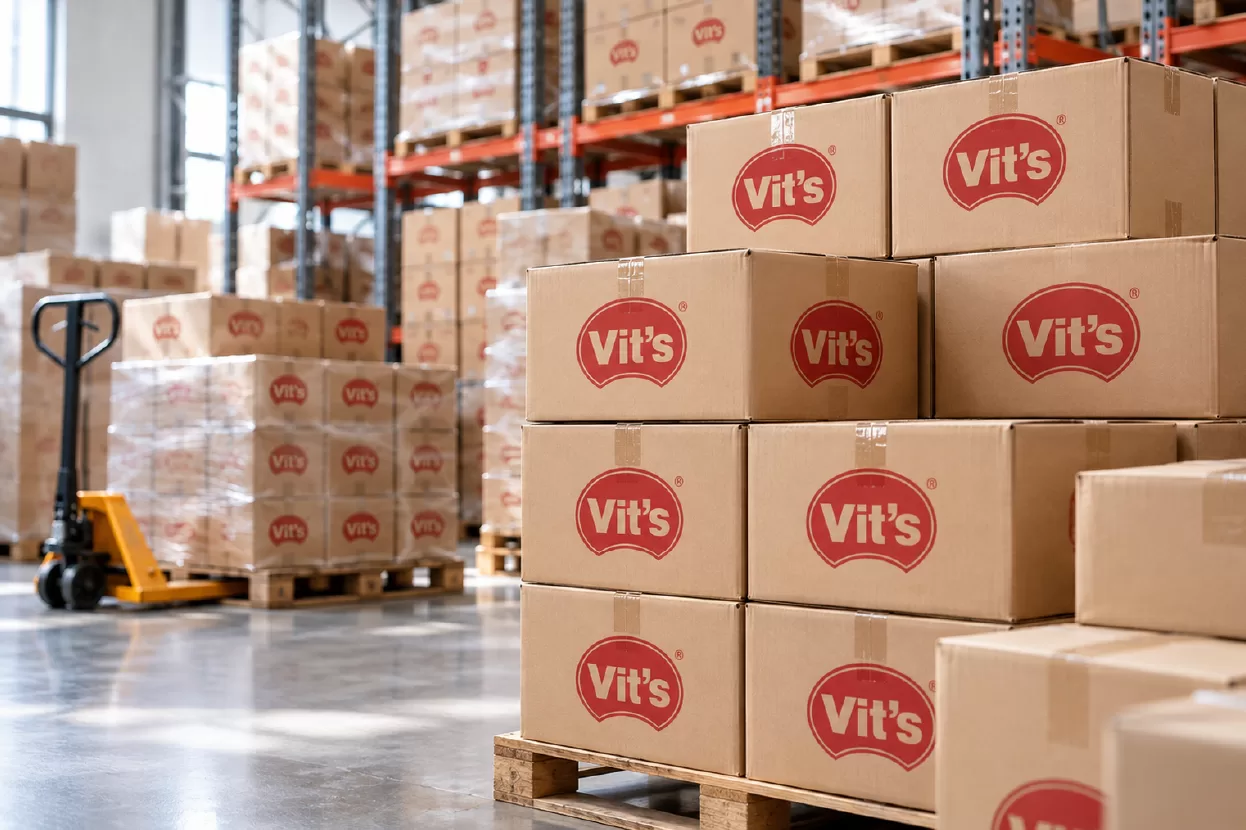
Retailers and wholesalers purchase at a scale that most individual buyers do not need. Depending on the account and arrangement, their orders may involve 1,000 to 5,000 cartons or more. That volume creates a different commercial discussion from an occasional purchase of 10 cartons. The manufacturer has a substantial confirmed order, while the trade buyer commits money, storage space and resources to moving the stock through its own business.
These arrangements help retailers and wholesalers offer competitive prices to their customers. They may also run discounts, promotional campaigns or special offers according to their own commercial plans. Consequently, the price you see in a store can sometimes be lower than the quotation available for a smaller direct order. That does not mean the manufacturer has overlooked the comparison. It means the two prices come from different purchasing circumstances, with different quantities and responsibilities behind them.
A 10-carton order and a 5,000-carton order carry different costs
Consider the work involved in receiving an enquiry, preparing a quotation, processing payment, coordinating an order and arranging delivery. Some of these activities are necessary whether the customer purchases 10 cartons or a much larger quantity. When an order contains more cartons, certain order-related costs can be spread across more units. A smaller order still requires attention and coordination, but there are fewer cartons over which to distribute those costs.
Delivery provides a straightforward illustration. If two hypothetical deliveries each cost RM100, delivering 10 cartons would represent RM10 per carton, while delivering 100 cartons would represent RM1 per carton. Actual delivery costs depend on the destination, load and arrangement, so these figures are only an example. They show why the cost of serving an order does not necessarily decrease in proportion to its size. Smaller orders can remain relatively expensive to handle even when the product itself comes from the same manufacturing operation.
Manufacturing costs and selling prices are different things
It is tempting to divide the cost of producing a batch by the number of cartons and assume that the resulting figure should determine every customer’s price. That calculation can help explain a production cost, but it does not account for everything involved in supplying the finished product. Storage, stock management, order processing, delivery and the commercial responsibilities attached to a sale must also be considered. A product’s manufacturing cost is therefore only part of the pricing picture.
Production scale can influence manufacturing efficiency, but an individual customer’s order does not always correspond to a separate production batch. Ten cartons might be supplied from existing stock rather than manufactured specifically for that customer. The relevant comparison is therefore broader than production alone: how much stock is the buyer committing to, what work is required to fulfil the order, and which costs and risks remain with the manufacturer? Those differences help explain why direct purchase prices vary by order arrangement.
Someone still carries the risk of unsold stock
Another common question is: “If I only buy 10 cartons, won’t you eventually sell the remaining stock to someone else?” That may happen, but the remaining sales are not guaranteed at the point of purchase. Until stock is sold, the business holding it must manage storage, available shelf life and the possibility that demand will be lower than expected. Producing a product does not automatically guarantee that every carton will be sold in time.
A buyer committing to thousands of cartons gives the manufacturer greater certainty over that quantity. The buyer then takes responsibility for selling or distributing the purchased stock within its own operation. By comparison, a small purchase leaves more stock available for future orders, with the manufacturer continuing to carry the associated inventory risk. If products remain unsold until they expire, the stockholder bears a loss. That uncertainty is one reason a small order cannot simply receive the same commercial treatment as a large confirmed commitment.
Why manufacturers also need to support their retail partners
Retailers and wholesalers play an important role in making noodles available where people already shop. They purchase stock, arrange distribution, provide shelf space and serve customers who may only want one packet or one multipack. Their operations make everyday purchases convenient, while their promotional activities can encourage customers to try products. These businesses are part of the supply network that connects manufacturers with consumers across different locations.
For Vit’s, offering direct bulk purchases needs to work alongside that network. Consistently undercutting retail and wholesale partners on small direct orders would undermine the businesses that purchase substantial quantities and help bring the products to market. A direct bulk campaign therefore serves a particular purchasing need while respecting existing distribution relationships. Its purpose is to offer a practical ordering option for larger requirements, rather than promise consumers a price below every store promotion.
If your supermarket has a good promotion, it may be your best option
Suppose you usually purchase a particular product for RM4.99 during a retailer’s promotion. Seeing an advertisement from the manufacturer may make you wonder whether ordering directly will reduce that price further. For a relatively small direct order, that outcome is highly unlikely. A promotional retail price reflects that seller’s own purchasing arrangements and campaign decisions, which are different from the terms of a manufacturer’s small bulk order.
If the promotion suits your needs, quantity and location, buying from that retailer may be the most practical choice. There is no requirement to purchase directly simply because a factory offers bulk orders. It is also important to compare the same product and pack size, since different configurations can make prices look more comparable than they really are. The right purchasing channel depends on the actual offer and your requirements, rather than the assumption that the factory must always be cheapest.
Who is Vit’s bulk purchase campaign suitable for?
Vit’s bulk purchase campaign is intended for buyers who have a genuine requirement for multiple cartons. This could include companies purchasing for employees, organisers preparing event supplies, community groups assembling food packs or businesses arranging a larger stock purchase. For these buyers, the ability to discuss the required quantity and have cartons delivered to an agreed location can be a useful part of the purchasing arrangement.
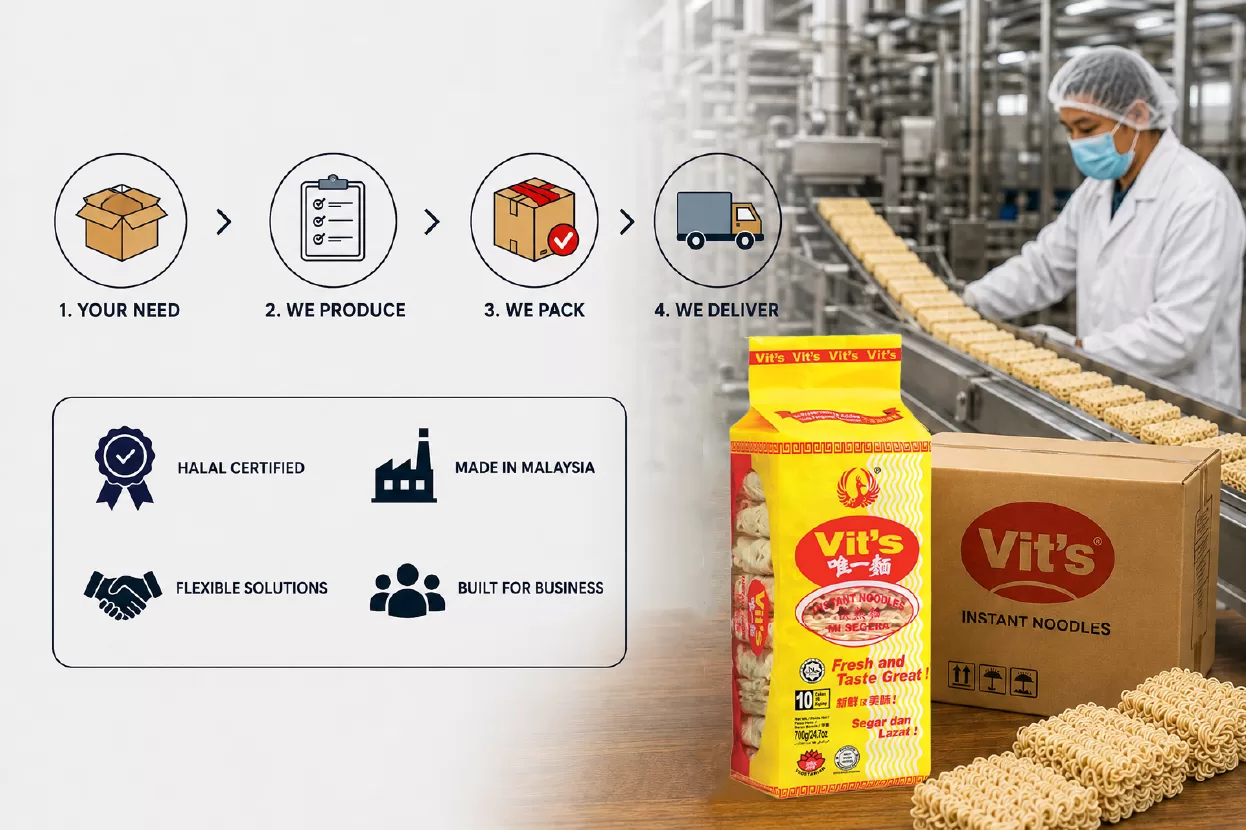
The campaign currently starts from a minimum order of 10 cartons and includes free delivery within Peninsular Malaysia. Buyers should confirm the applicable product selection and order arrangements with the assigned person in charge. If your main requirement is a few packets at the lowest promotional price, your usual retailer or wholesaler is likely to be a better starting point. If you need multiple cartons delivered for a specific purpose, the Vit’s bulk purchase service is worth discussing.
Choose the products around your actual requirements
Before requesting a quotation, consider how the noodles will be used and who will receive them. A company pantry, a community distribution and a retail stock purchase may require different products or quantities. Preparation methods matter too. Check whether the intended users have the equipment needed to prepare the selected noodles, rather than assume every instant noodle product works with the same cooking method.
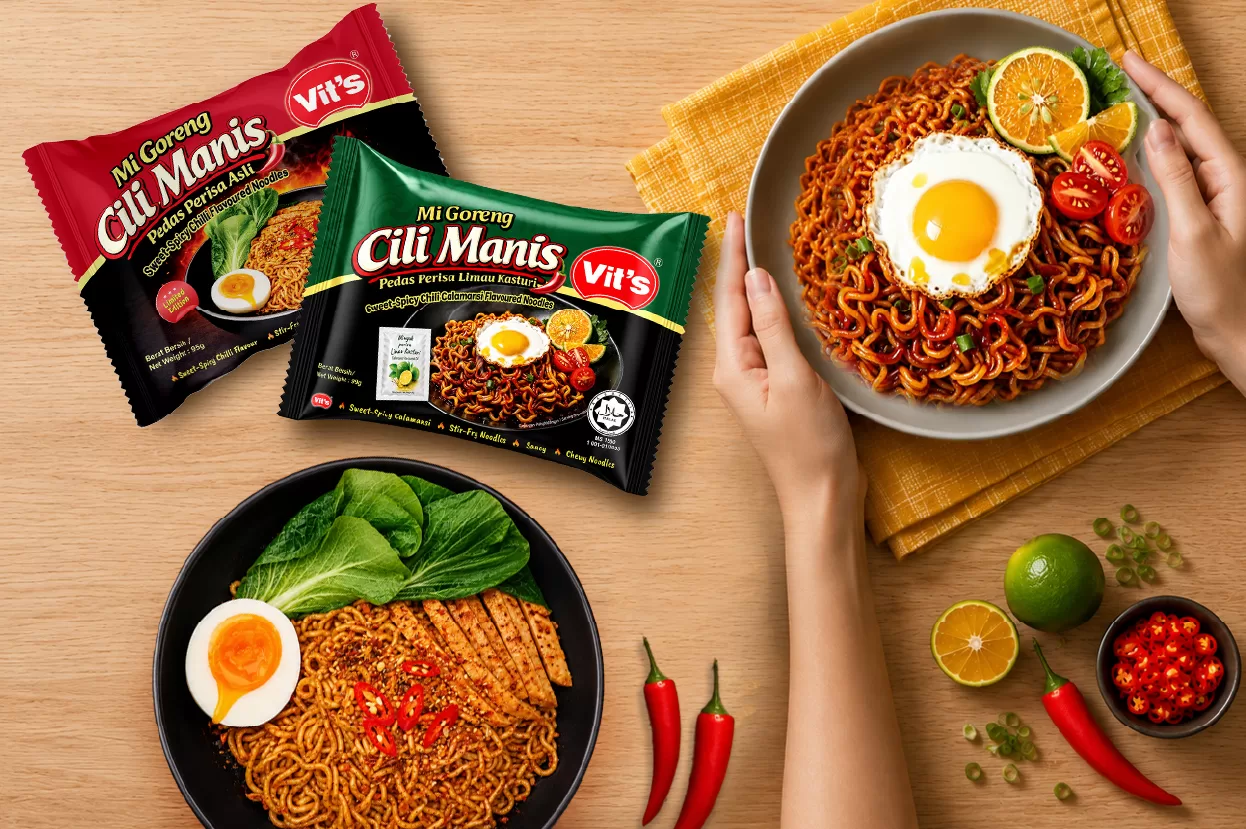
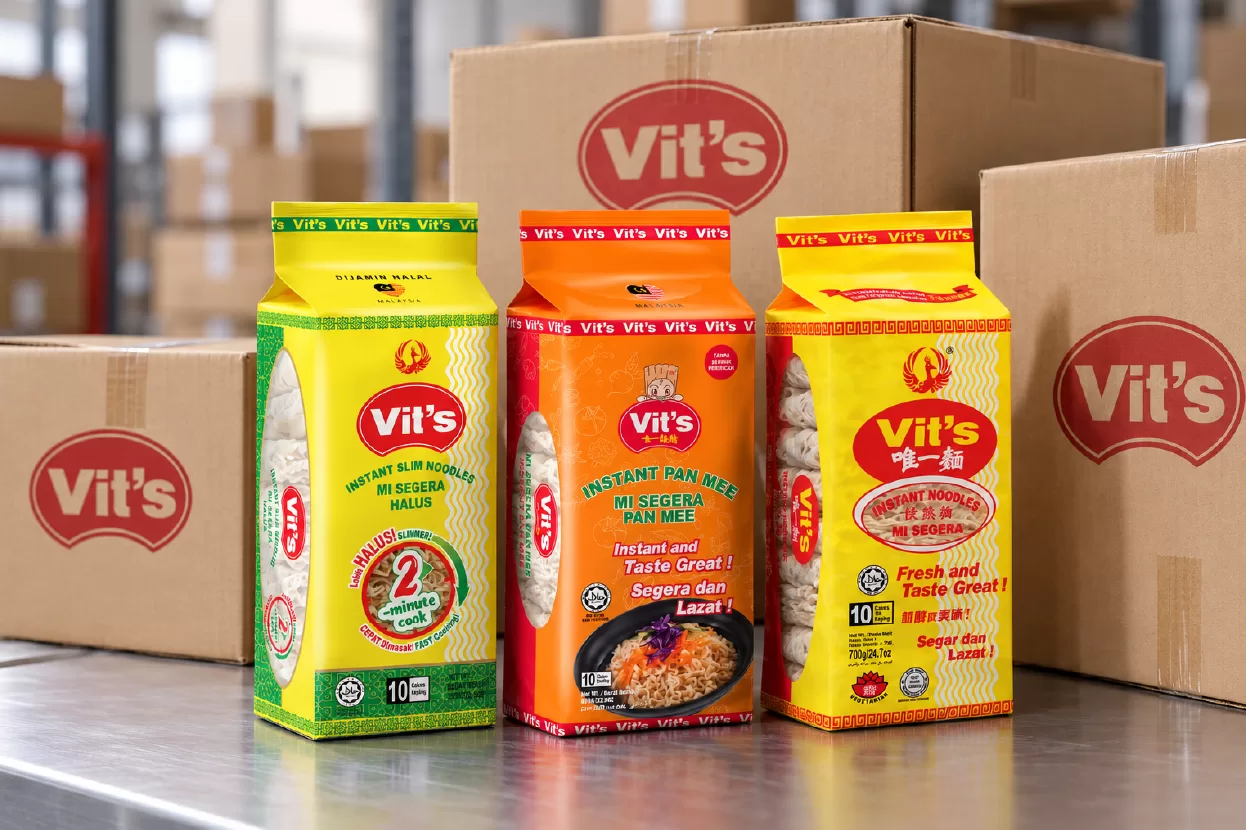
You can review the Vit’s product range to identify suitable options before making an enquiry. Share your preferred products if you already know what you need, or explain the intended use if you need help narrowing the selection. Also consider your storage space and how quickly the cartons will be used or distributed. Ordering more than you can reasonably manage does not create better value simply because the purchase qualifies as bulk.
Bulk purchasing is different from creating your own noodle brand
The 10-carton campaign concerns purchasing existing Vit’s products. It should not be confused with commissioning noodles under your own brand or requesting a custom flavour. A manufacturing project involves additional requirements, which may include product development, ingredient sourcing, packaging and production planning. Its minimum quantities and quotation process are therefore different from those for an existing product bulk purchase.
Businesses planning a branded noodle range can explore Vit’s OEM services or private label instant noodle solutions. Overseas buyers should also identify their destination country and explain whether they want existing branded products or a separate manufacturing project. The current campaign’s free delivery applies within Peninsular Malaysia; export enquiries require their own discussion about quantities, supply and shipping arrangements.
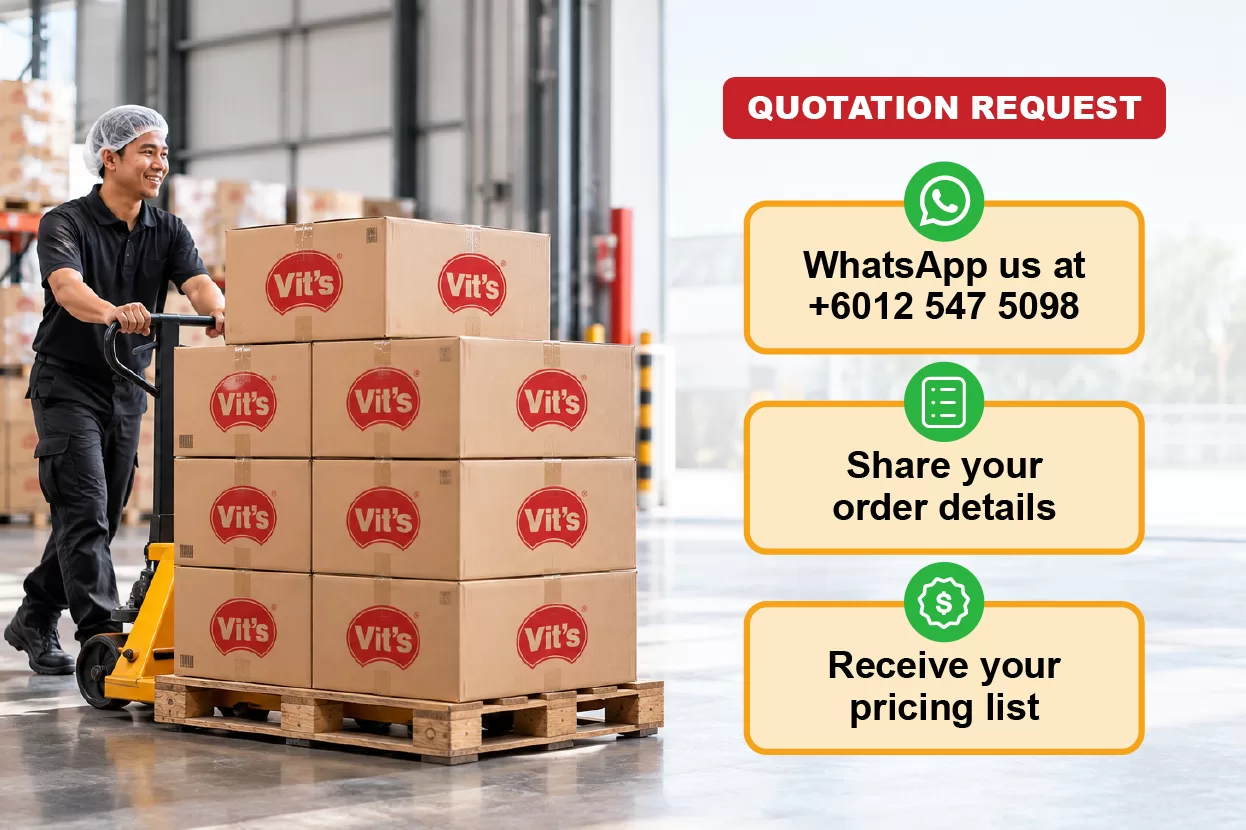
How to request pricing for Vit's bulk purchase campaign
If you need at least 10 cartons and would like a quotation, send a WhatsApp message using the contact number shown in the bulk purchase campaign. Include your name, contact number and delivery area so the enquiry can be passed to the relevant area person in charge. If available, add your preferred products, estimated carton quantity and required delivery timing. The area PIC will then reach out with the pricing list.
Providing these details at the beginning makes the follow-up more relevant to your order. A message asking only “How much?” does not explain the products, quantity or delivery requirements involved. It is also helpful to approach the enquiry with the right expectation: a direct quotation for 10 cartons is highly unlikely to beat a retailer’s special promotion supported by purchasing volumes of thousands of cartons.
Need 10 Cartons or More? Send Us Your Requirements
Buying directly from a manufacturer can be a practical option when you need multiple cartons delivered for a planned purpose. The value comes from an arrangement that suits your quantity and delivery needs, rather than a guarantee of the lowest price available anywhere. Retailers, wholesalers and manufacturers serve different purchasing situations, and a good retail promotion may still be the right choice for a smaller purchase.
For Vit’s current bulk purchase campaign, the minimum order is 10 cartons, with free delivery within Peninsular Malaysia. WhatsApp us at +60 12-547 5098 with your name, contact number and delivery area. We will arrange for your area PIC to reach out with the pricing list, so you can review the offer against what you actually need.