There is a specific kind of sweet spicy that Malaysians grew up with. It shows up in the sambal your mother makes, in the sauce that comes with your fried chicken, in the cili sos you squeeze onto everything even when nobody asked you to. It is pedas, but it is manis first. It does not fight you. It makes you want another spoonful.
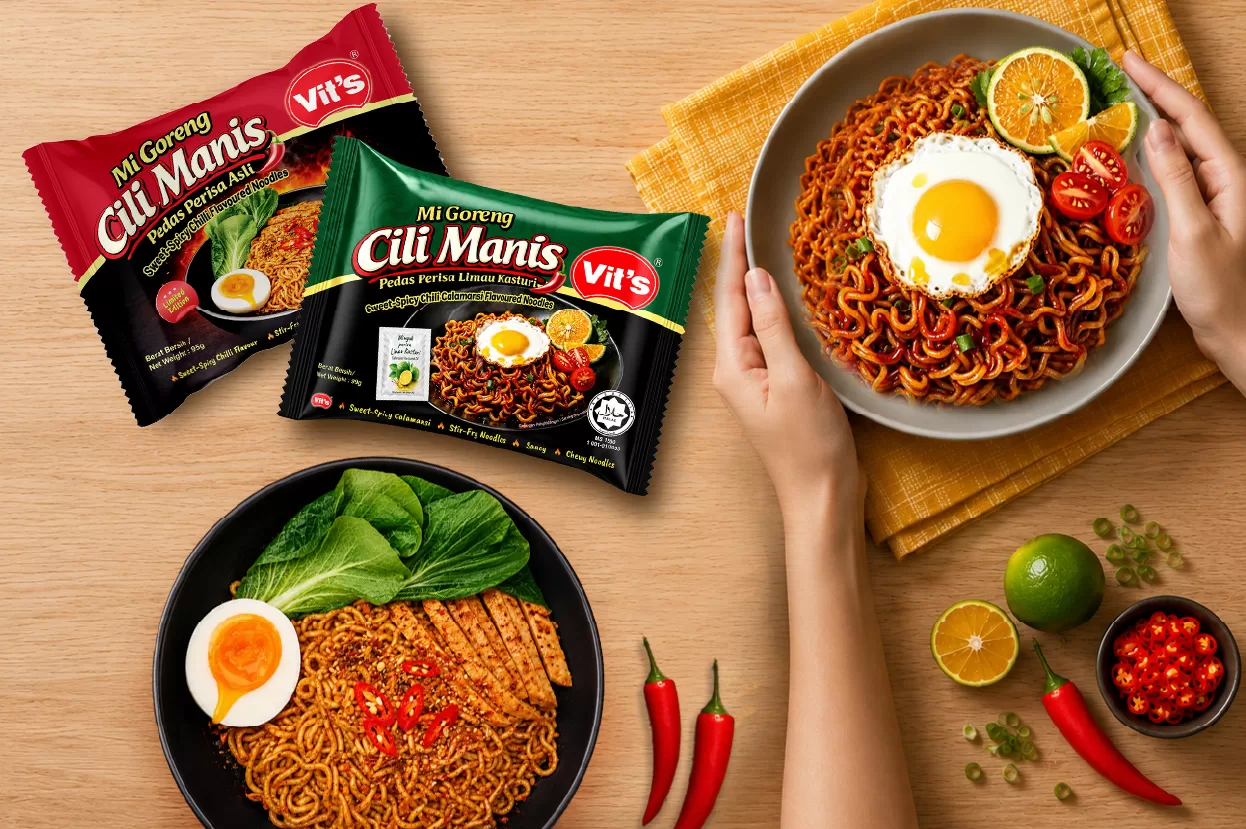
That flavour is the starting point for our newest launch. This Malaysia Day, Vit's is celebrating with Mi Goreng Cili Manis Pedas, now on shelves in two variants: Perisa Asli and Perisa Limau Kasturi. Both are built on a sweet chili paste base that leans into a taste profile Malaysians already know by heart, paired with the saucy, chewy stir fried noodle texture our team has spent a long time getting right.
Here is the part you need to pay attention to. This is a limited edition run, available for a limited time at selected stores only. When it is finished, it is finished.
Why Sweet Chili, and Why Now
Instant noodles in Malaysia have been pulled in one direction for the last few years. Everything got hotter. Extreme heat, challenge flavours, packaging covered in warning symbols. There is clearly an audience for that, and we understand why it works.
But when we spoke to people about what they actually eat every week, the answer was less dramatic. Most Malaysians are not chasing pain. They want flavour they recognise. They want something that tastes like home at 11pm on a weeknight, not something they need a glass of milk to survive.
Cili manis sits exactly there. Sweet upfront, a slow warmth behind it, savoury enough to feel like a proper meal instead of a snack. It is a flavour that works for someone who cannot handle spice and someone who eats sambal with everything, which is rare and genuinely useful in a household where everyone has different tolerance levels.
Tying it to Malaysia Day was not a coincidence. If we are going to build a flavour around a Malaysian taste memory, the timing should mean something too.
What Cili Manis Actually Means in Malaysian Food
Ask ten Malaysians to describe cili manis and you will get ten slightly different answers, which is exactly why it is worth building a product around.
At its simplest, cili manis is chili that has been tamed with sugar. It is the sos cili on the mamak table that you dip your roti canai into when the dhal has run out. It is the sticky red sauce on ayam goreng berempah at the pasar malam. It is the sambal that comes with nasi lemak in parts of the north, where the sweetness sits right next to the heat instead of behind it. It is what happens when you stir kicap manis into sambal belacan because the dish needed rounding out.
There is also a regional story here. Kelantan and Terengganu cooking is known for running sweeter than the rest of the country, and their sambal and chili sauces reflect that. Johor food leans savoury and slightly sour. Penang sits somewhere in between, with a chili paste that is fried down until it goes dark and jammy. None of these are wrong. They are all cili manis to the people who grew up eating them.
That is what makes the flavour such a natural fit for mi goreng. Sweet chili already lives on the same plate as fried noodles in this country. The mee goreng mamak that most of us order without looking at the menu gets its colour and its addictive quality from a chili base that has been sweetened with tomato sauce and a spoon of sugar. We did not invent a new pairing. We took one that Malaysians have been eating for decades and put it in a pack.
The balance in our sauce is built to sit in the middle of that regional range. Sweet enough that someone from Kota Bharu recognises it, savoury enough that someone from Johor Bahru does not find it cloying, and with enough chili underneath that it still tastes like food and not a condiment.
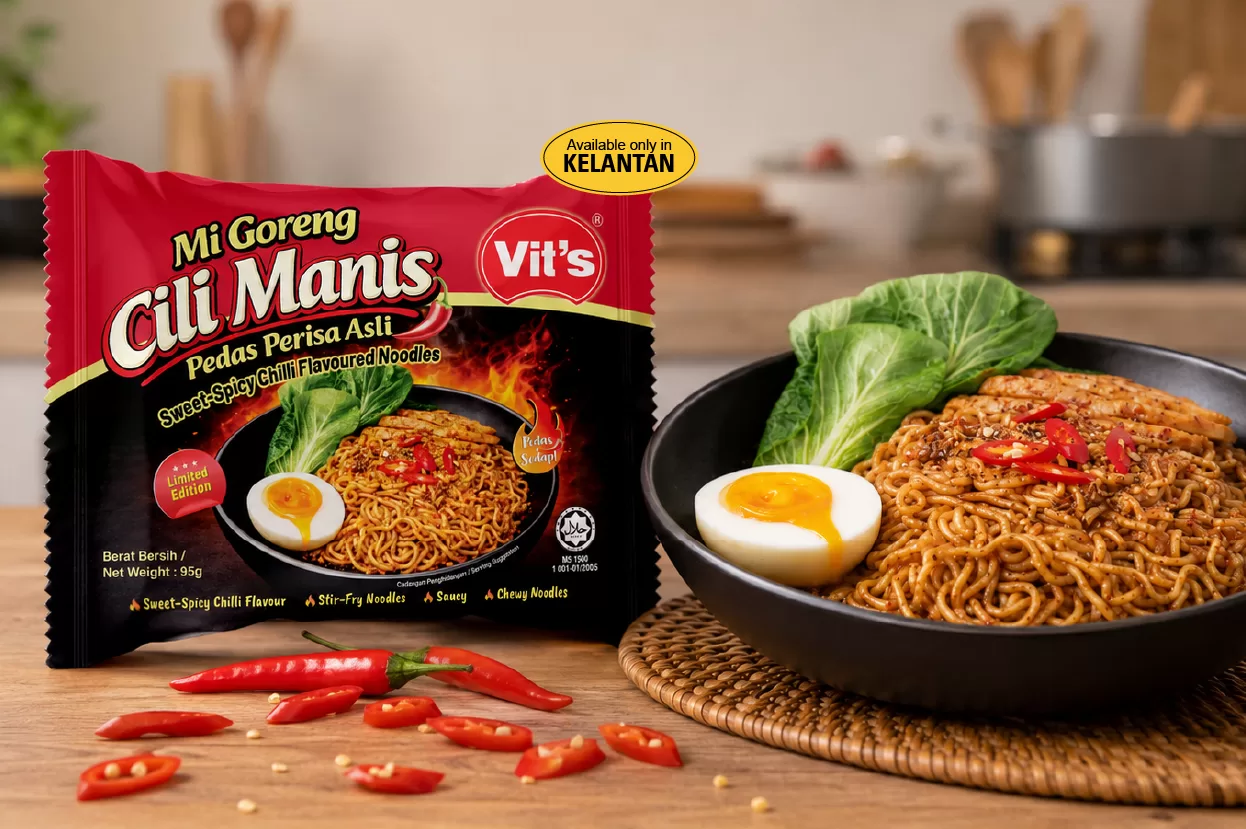
Mi Goreng Cili Manis Pedas Perisa Asli
Perisa Asli is the original expression of the recipe, and the one to start with if you are deciding between the two.
The sauce is thick and clings to the noodle instead of pooling at the bottom of the bowl. Sweetness comes first, then the chili builds gradually as you keep eating. It is a medium heat, closer to a good sambal tumis than a fire challenge, which means you can finish the whole plate and still taste the flavour rather than just the burn.
The noodles are the other half of the story. We formulated this line for a springy, chewy bite that holds up after you toss it in the sauce. Nobody wants soft, broken mi goreng sitting in a puddle. Give it a proper stir while it is still hot so every strand gets coated, and eat it fast.
Best for: anyone who wants a straightforward sedap mi goreng, family members with different spice tolerance, late night cooking when you cannot be bothered to think.
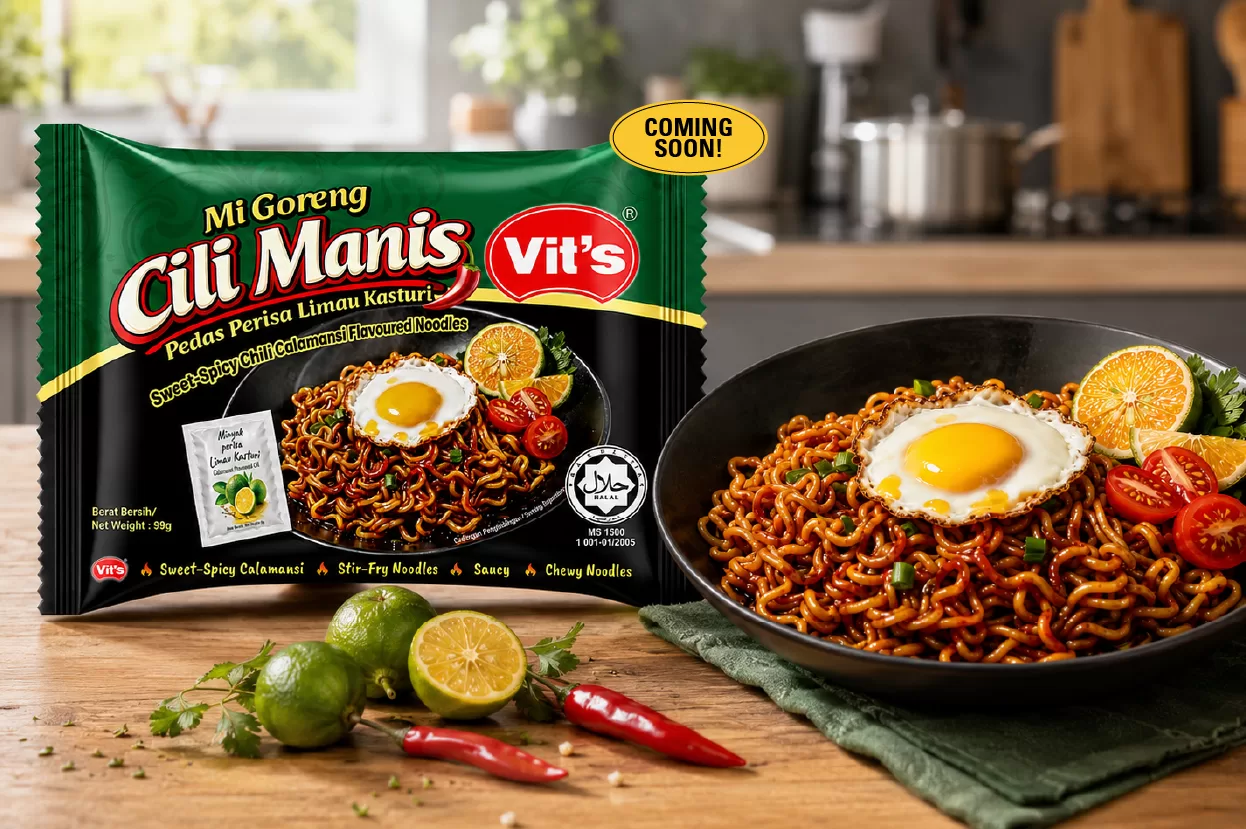
Mi Goreng Cili Manis Pedas Perisa Limau Kasturi
Perisa Limau Kasturi takes the same sweet chili base and adds the one thing Malaysians reach for the second food hits the table.
Limau kasturi is not a decoration in Malaysian cooking. It is the finishing move. You squeeze it over mee goreng mamak, over sambal, over fried noodles from the kopitiam, and the whole dish suddenly tastes brighter and less heavy. That citrus lift is what this variant is built around.
To get that flavour into the pack, this variant comes with a limau kasturi oil on top of the sweet chilli paste, and the choice of an oil rather than a powder was deliberate.
Most of what makes limau kasturi smell like limau kasturi is in the peel, not the juice. The aromatic compounds in the skin are oil soluble, which is why the fragrance is strongest when you squeeze a lime and the peel releases its oils onto your fingers. A dried seasoning powder loses most of that character in processing, and what survives tends to taste flat and slightly artificial. An oil holds onto it. When you tear the sachet you get the smell first, and when you toss it through the hot noodles the oil coats every strand and carries that citrus through the whole plate rather than sitting in one spot.
The heat of the noodles also matters. Warm oil releases aroma faster than cold, so the limau kasturi is at its most fragrant in the first minute after mixing. That is the moment to eat it.
The result is a mi goreng that tastes sweet, spicy and tangy at the same time. The acidity cuts through the richness of the sauce, which makes the flavour feel lighter and, for a lot of people, more moreish. If you are the kind of person who has a bag of limau kasturi in the fridge at all times, this one was made for you.
Best for: anyone who always adds citrus to their noodles, people who find heavy sauces too filling, and anyone who wants to try something they have not seen on the shelf before.
Where to Get It: Kelantan First, Limau Kasturi Coming Soon
We want to be direct about this so nobody is disappointed later.
Mi Goreng Cili Manis Pedas Perisa Asli is available now, but only at selected stores in Kelantan. This is a limited edition release with a fixed quantity, so it is not on shelves nationwide and not at every store in the state either.
We are not publishing the full store list here because it changes as stock moves. If you are in Kelantan and want to know where to find it near you, WhatsApp us and we will send you the current list of stores carrying it. It is not available online, so for now the stores are the only place to get it. If you are outside Kelantan, ask a friend or family member there to pick one up for you, or follow our socials for news on where it goes next.
Perisa Limau Kasturi is coming soon. It is not in stores yet. We will announce the release date and locations on our social media first, so follow Vit's on Facebook, Instagram and TikTok if you want to know the moment it lands.
Limited edition means exactly that. Stock for Perisa Asli is fixed and once it sells through at a store, it is gone from that shelf. If you have been meaning to try it, do not wait for it to show up at your usual store, because it may not.
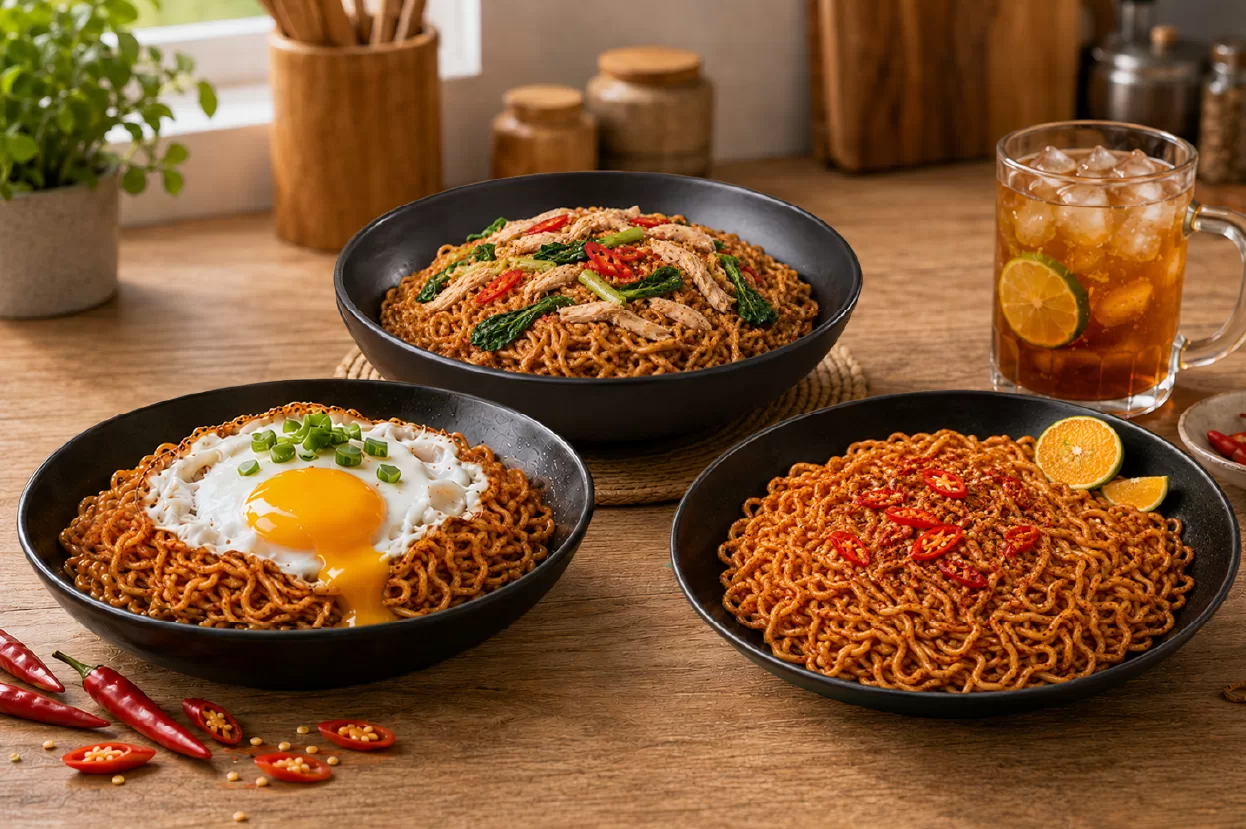
Three Ways to Upgrade Your Mi Goreng Cili Manis Pedas
Instant noodles straight from the pack are perfectly fine. But this sauce takes toppings well, and these three take under five extra minutes.
- Telur mata kerbau on top. The classic for a reason. Fry the egg until the edges are crispy and the yolk is still running, then break it over the noodles. The yolk loosens the sauce and mellows the heat, which works especially well with Perisa Asli.
- Chicken and vegetables for a proper meal. Leftover shredded chicken, a handful of sawi or cabbage, maybe some bean sprouts thrown in during the last thirty seconds. It turns a supper into dinner without changing the flavour profile.
- The mamak style plate. Perisa Limau Kasturi, sliced cili padi if you want more heat, and a scattering of fried shallots. Eat it with a cup of teh o ais limau and you have essentially recreated your regular mamak order at home for a fraction of the price.
If you make something good with it, we want to see it. Tag us and we will share the best ones.
How to Cook Mi Goreng So It Is Saucy, Not Soggy
Most people cook mi goreng the same way they cook soup noodles and then wonder why it turns out wet and bland. The method is different, and it takes the same three minutes.
Boil less than you think. Follow the pack time as the maximum, not the minimum. Mi goreng is meant to have bite. Pull the noodles off the heat while they still have a slight resistance, because they continue to soften while you drain and mix them.
Drain properly. This is the step that matters most. Leftover water dilutes the sauce and is the single biggest reason a mi goreng ends up tasting weak. Tip the noodles into a colander or hold them against the pot lid and let them sit for ten seconds. A little water clinging to the strands is fine. A pool at the bottom of the bowl is not.
Mix the seasoning in the bowl first. Squeeze the chili paste, the oil, and any other sachets into the empty bowl and stir them together before adding the noodles. It takes five seconds and means the sauce is already uniform instead of you chasing a lump of paste around the bowl with your fork.
Toss while hot. Add the drained noodles straight from the pot and toss immediately. Hot noodles absorb sauce. Noodles that have sat for a minute do not. Use a fork and spoon together, lift from underneath, and keep going until you cannot see any pale strands.
Rest for thirty seconds. Cover the bowl with a plate and leave it. The sauce thickens slightly as it cools and the noodles finish absorbing it. This is the difference between a mi goreng that tastes seasoned and one that tastes like it was seasoned.
Then add your toppings. Egg, protein, vegetables, fried shallots. Toppings go on after mixing, never before, or they get in the way of the toss and the sauce ends up uneven.
If you want to go one step further, tip the mixed noodles into a hot pan for thirty seconds. You will get a slight char on the edges and the sauce will cling even harder. This is closer to how mee goreng is made at a proper mamak stall and it works especially well with Perisa Asli.
What Goes Into a Vit's Mi Goreng
A new flavour is easy to announce. Getting it to taste the same in every pack is the harder part, and that comes down to how it is made.
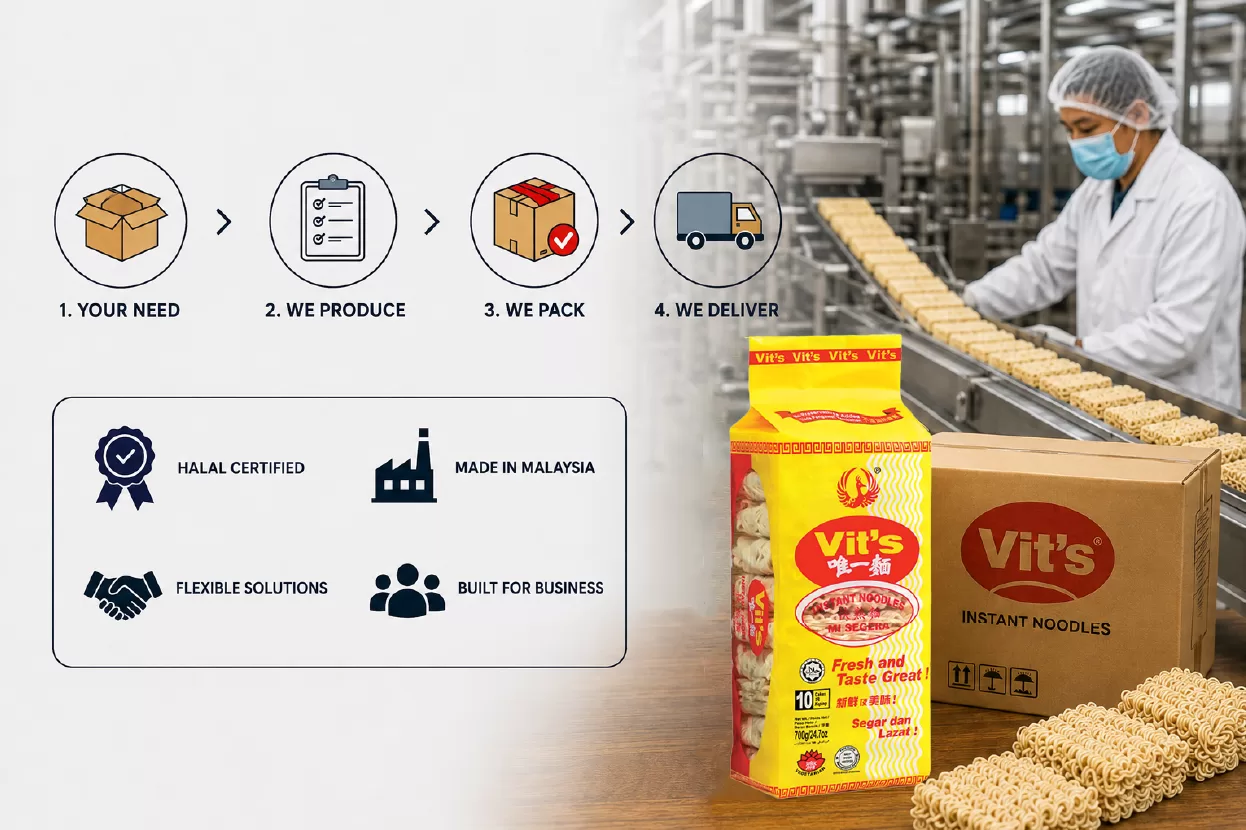
Vit's has been manufacturing noodles in Malaysia since 1980, and we have been Halal certified since day one. Everything is produced in our own facility here in Malaysia, which means we control the formulation, the sauce base, the noodle texture and the quality checks rather than outsourcing any of it.
That matters for a product like this. Sweet chili is a difficult profile to balance at scale. Too much sugar and it tastes like dessert. Too much chili and you lose the manis that makes it Malaysian. The gap between "quite nice" and "I need to buy this again" is small, and it only stays consistent if the same team controls the recipe from first batch to last.
The noodle texture took just as long. We wanted a strand that stays chewy after mixing, absorbs the sauce without turning soft, and does not clump when it cools slightly. That is the bit people notice without being able to explain why one mi goreng feels better than another.
Frequently Asked Questions from B2B Buyers
How spicy is Mi Goreng Cili Manis Pedas?
Medium. There is real chili heat, but the sweetness comes first and the spice builds gently rather than hitting immediately. Most people who avoid extreme spicy noodles are comfortable with this one. If you want it hotter, add cili padi or extra cili sos.
Is it Halal?
Yes. Vit's has been Halal certified since 1980 and all our products are manufactured in our own Halal certified facility in Malaysia.
What is the difference between Perisa Asli and Perisa Limau Kasturi?
Perisa Asli is the original version, richer and more savoury. Perisa Limau Kasturi adds a limau kasturi oil for a citrus tang that lightens the sauce and makes the flavour brighter.
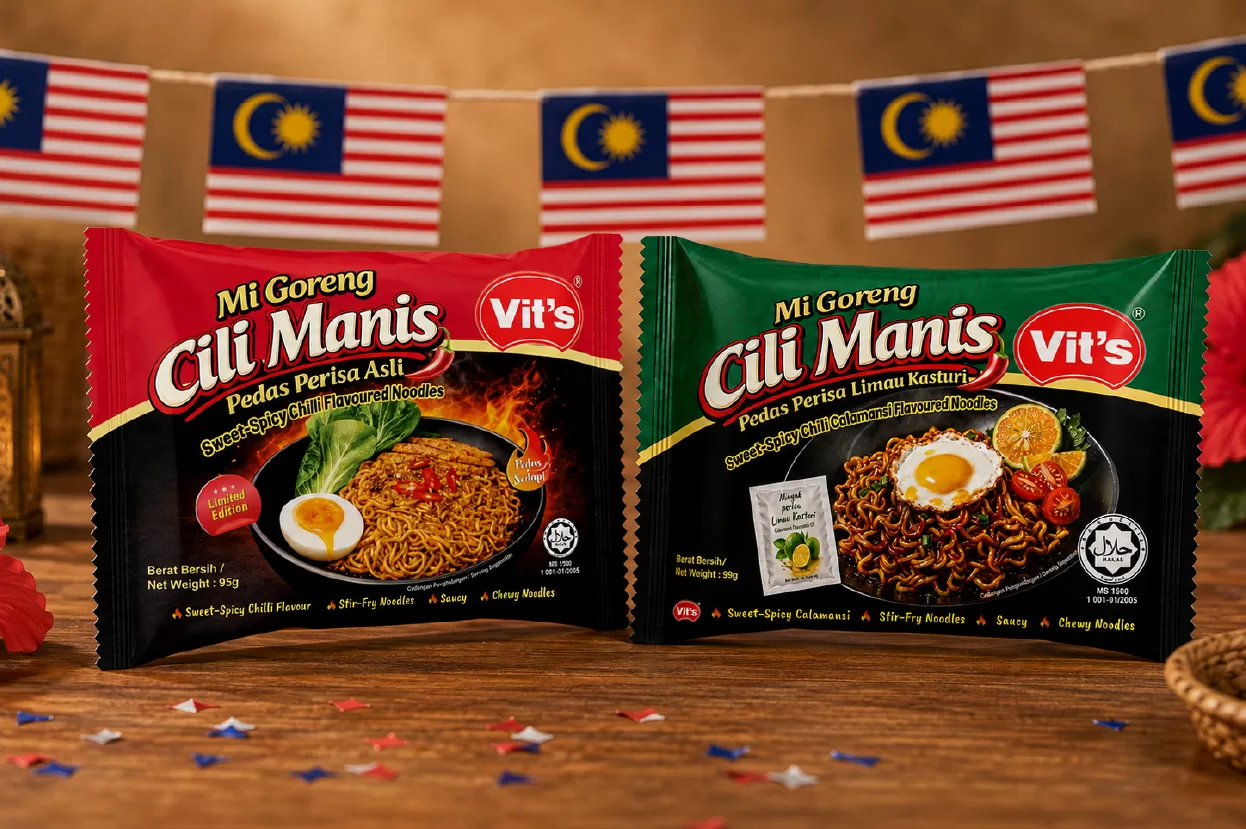
Selamat Hari Malaysia
Malaysia Day is usually marked with flags and posts and not much else. We would rather mark it with something you can actually eat.
Two flavours, one taste that belongs here, available for a short while at selected stores. Grab it while it is on the shelf, cook it the way you like it, and tell us which variant deserves to stay.
Selamat Hari Malaysia from all of us at Vit's.