
Instant noodles occupy a complicated place in the Malaysian diet. On one hand, they are one of the most eaten foods in the country, affordable, fast, and genuinely satisfying in a way that is deeply familiar to most Malaysians across generations. On the other hand, they carry a persistent reputation for being unhealthy, associated in the public mind with excessive sodium, questionable preservatives, artificial additives, and poor nutritional value. Parents worry about giving them to their children. Health-conscious consumers feel vaguely guilty eating them. And yet consumption remains high, because convenience and taste are real, and the concerns often feel abstract.
The question this article tries to answer honestly is: how much of that reputation is actually supported by evidence, does it apply equally to all instant noodles, and what should consumers who care about their health be paying attention to when they pick a product off the shelf? The answers are more nuanced than either the dismissive or the alarmist positions suggest, and they depend significantly on what is actually in the product you are choosing. If you want to jump straight to see what Vit's offers, you can browse our product range here.
What is actually in instant noodles?
Most instant noodles start from a relatively short and unremarkable ingredient list. The noodle block is typically made from wheat flour, water, salt, and an alkaline mineral such as potassium carbonate or sodium carbonate, which gives the noodle its characteristic springy texture and slightly yellow colour. The noodle is then either deep-fried or air-dried to remove moisture, which creates the extended shelf life the product is known for. Evaluated at this level, instant noodles are a fairly straightforward processed food, not dramatically different in principle from dried pasta or any other shelf-stable grain product.
Where the ingredient list starts to lengthen, and where the health conversation becomes more complicated, is in the choices manufacturers make about additives. Some brands add chemical preservatives to the oil used in frying to extend shelf life as cheaply as possible. Some add artificial colouring to make the noodle or the seasoning appear more vibrant. Some use synthetic flavour enhancers and additives that have little to do with real food ingredients. None of these additions are universal across the category, and some brands use significantly cleaner formulations than others. The reputation that instant noodles have collectively accumulated is partly a reflection of the practices of its least careful producers, and it does not apply equally to every product on the shelf.
The sodium question: the most legitimate health concern
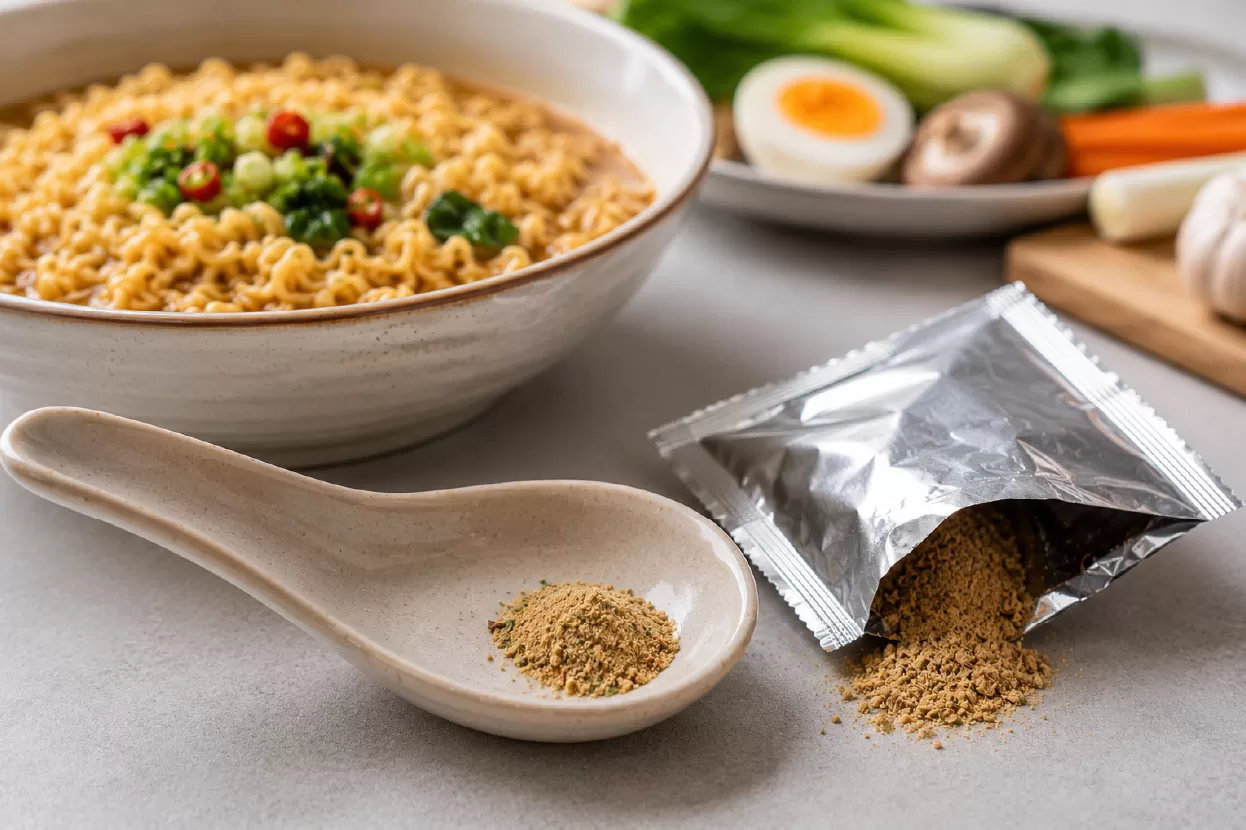
The sodium content of instant noodles is the most well-supported health concern associated with the category, and it deserves a direct and honest answer. A typical single serving of instant noodles contains between 800 milligrams and 1,500 milligrams of sodium, depending on the brand, the flavour, and whether the full seasoning sachet is used. The World Health Organization recommends that adults consume no more than 2,000 milligrams of sodium per day. That means a single pack of instant noodles can account for between 40 and 75 percent of a person's recommended daily sodium intake before they have eaten anything else that day.
For people managing high blood pressure, kidney disease, or cardiovascular risk, this is a meaningful and genuine concern. Research consistently links high dietary sodium intake to elevated blood pressure, which in turn increases the risk of heart disease and stroke over time. Malaysia's Ministry of Health (KKM) has consistently identified sodium as one of the primary dietary risk factors for Malaysian adults, and it is a figure worth paying attention to regardless of which food it comes from.
However, practical context matters significantly. A large proportion of the sodium in any instant noodle meal sits in the broth, not in the noodle itself. Consumers who eat the noodles and leave most of the soup significantly reduce their actual sodium intake from that meal. Many people also use only a portion of the seasoning sachet and adjust flavour with fresh aromatics such as garlic, ginger, or chilli, which further reduces sodium exposure while improving overall flavour. Occasional consumption at moderate frequency is a very different situation from eating instant noodles as a daily dietary staple, and the research that produces alarming headlines typically involves the latter pattern, not the former. Sodium is a real consideration worth managing actively, but it is manageable with thoughtful preparation and reasonable consumption habits.
Preservatives: why the ingredient label is worth reading
This is the area where consumer awareness tends to be lowest, and where the differences between brands are most significant. Many commercially produced instant noodles contain chemical preservatives added to the oil used in frying, primarily to prevent oxidation and rancidity during storage at the lowest possible cost. The most common of these are TBHQ (tert-butylhydroquinone), BHA (butylated hydroxyanisole), and BHT (butylated hydroxytoluene). These compounds are approved by food regulatory authorities in Malaysia and internationally at permitted levels, but that approval reflects a regulatory threshold, not a statement that these additives are nutritionally neutral or preferable to cleaner alternatives.
Research has raised concerns about repeated exposure to these preservatives, particularly TBHQ. A 2014 study published in the Journal of Nutrition found associations between frequent instant noodle consumption and metabolic risk factors, particularly in women, with researchers identifying additive exposure as a contributing variable. Subsequent studies have flagged potential effects of TBHQ on immune function, and it appears on the ongoing monitoring lists of several international health authorities. For parents of young children and consumers who prefer to minimise exposure to synthetic chemicals in their food, these are not trivial concerns. They are reasonable grounds for reading the ingredient label of the product you choose.
It is worth being clear about what no added preservatives means on an ingredient label. It means the manufacturer has chosen production methods and ingredient standards that maintain product quality and shelf stability without relying on chemical preservatives such as TBHQ, BHA, or BHT. This is achievable, and the brands that do it are making a deliberate product decision that reflects a different set of priorities from brands that default to the cheapest preservation method available. The absence of these preservatives on a label is a signal worth looking for.
Artificial colouring: an addition that serves no nutritional purpose
Artificial food colouring is used by some instant noodle manufacturers to make the noodle block appear more golden or to give the seasoning a more vibrant colour. It serves no nutritional function and contributes nothing to flavour, texture, or shelf life. Its only purpose is visual, and for most consumers, it is an addition they are not aware of and certainly did not ask for.
Research on artificial food colours has raised particular concerns around their effects on children. The European Food Safety Authority (EFSA) has required warning labels on products containing certain synthetic dyes including Tartrazine (E102) and Sunset Yellow (E110), citing evidence of hyperactivity effects in children from the Southampton cohort study. While Malaysia's regulatory framework differs from the EU's, the underlying science applies equally to Malaysian children consuming these dyes regularly through frequent instant noodle consumption. A product that achieves its natural colour through the wheat flour, alkaline salts, and cooking process requires no artificial dye at all, and many quality noodle products on the market are produced without any added colouring.
What about nutrition? the honest assessment
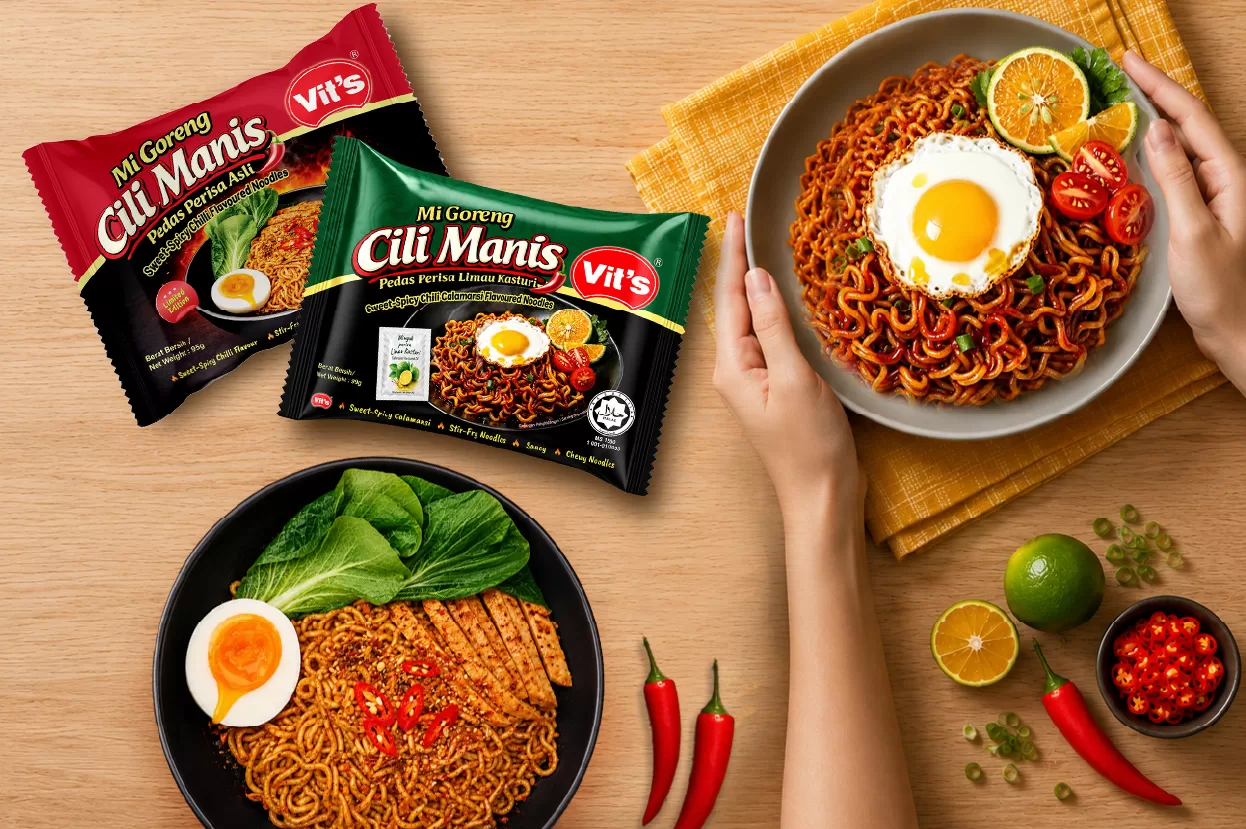
Instant noodles on their own are primarily a source of refined carbohydrates, with modest fat from the frying process and relatively little protein, fibre, or micronutrient value. Evaluated in isolation as a standalone meal, they are not nutritionally complete. This is simply true, and saying otherwise does not serve anyone. However, the way most Malaysians actually eat instant noodles tells a more complete story. The noodle almost never arrives at the table alone. It serves as the base of a meal that typically includes an egg, some leafy greens, a portion of protein such as chicken, fish, or tofu, and fresh aromatics. You can find ideas for building a more nutritious bowl in Vit's recipe collection, which shows how the same base noodle can form the foundation of a genuinely satisfying and balanced dish.
That assembled meal looks considerably more balanced than the noodle alone. An egg contributes around six grams of protein along with vitamins B12 and D. Leafy greens add fibre, iron, and folate. A portion of lean protein from chicken or tofu brings additional amino acids that the noodle itself does not provide. The noodle contributes the carbohydrate base that makes the meal filling and satisfying. Evaluated as a complete meal rather than as an isolated ingredient, this combination is nutritionally comparable to many other quick weekday meals prepared at home. The key variables are what you choose to add, how often you eat it, and which product you select. Using only half the seasoning sachet, building out the bowl with protein and vegetables, and leaving most of the broth significantly reduces the principal health concerns while preserving everything that makes instant noodles genuinely convenient.
So are instant noodles bad for you? the balanced answer
The honest answer is that it depends on two things: how frequently you eat them, and what is actually in the product you are choosing. Eating instant noodles occasionally, as part of a varied diet, with added protein and vegetables and a reduced amount of seasoning, is not a meaningful health risk for most healthy adults. The body of evidence does not support the level of alarm that surrounds instant noodles in popular conversation when consumption is moderate and product selection is thoughtful.
Where the risks become real is at the other end of the spectrum: eating instant noodles daily as a primary food source, consuming the full seasoning sachet every time, and choosing products loaded with chemical preservatives, artificial colouring, and synthetic additives. That pattern, sustained over months and years, does carry risks associated with chronically elevated sodium intake and repeated exposure to additives that have no place in a quality food product. The product you choose matters just as much as how often you eat it, and the gap between the most additive-heavy products and the cleanest formulations on the market is significant enough to make a genuine difference to what you are putting in your body.
What Vit's does differently
At Vit's, we have been producing noodles for Malaysian consumers since 1975, and the health conversation around instant noodles is one we take seriously rather than dismiss. Our response to the legitimate concerns in this category has not been to challenge the science or to rely on regulatory minimums as our internal standard. It has been to make product choices that reflect what we actually believe consumers deserve. You can explore our full product range and review the ingredient information for each product on our website.
No added preservatives
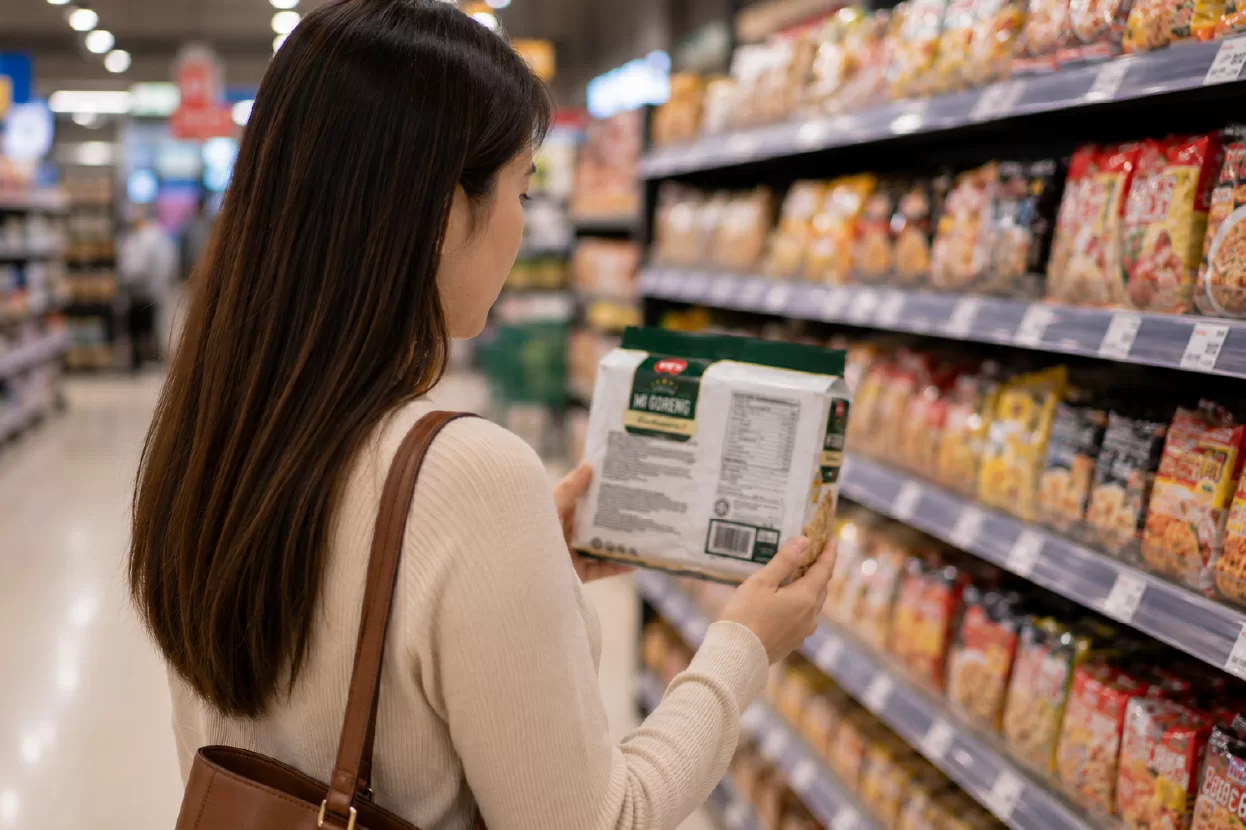
Vit's instant noodles contain no added preservatives and are formulated without added synthetic antioxidants such as TBHQ (tert-Butylhydroquinone), BHA (Butylated Hydroxyanisole), or BHT (Butylated Hydroxytoluene). Instead, each ingredient used in our noodles serves a specific and functional purpose related to quality, texture, flavour, and shelf stability. All ingredients are selected in accordance with food safety standards and regulatory requirements, and are commonly used in food production for their intended technical functions.
For consumers who pay close attention to ingredient labels, including parents and individuals who prefer to make informed dietary choices, our formulation provides clear and straightforward information about what goes into the product. Our plain instant noodle range can also be a versatile option for those who prefer to customise their meals, allowing flexibility in seasoning and preparation based on personal taste.
No artificial colouring
We do not add artificial colouring to our noodles. The colour of a Vit's noodle comes from the wheat flour, the alkaline salts used in the dough, and the cooking process itself. There is no quality, taste, or functional reason to add synthetic dye to a noodle, and we choose not to. This reflects our broader commitment to keeping the ingredient list honest and purposeful, free from additions that serve optics rather than the consumer.
Certified quality at every level
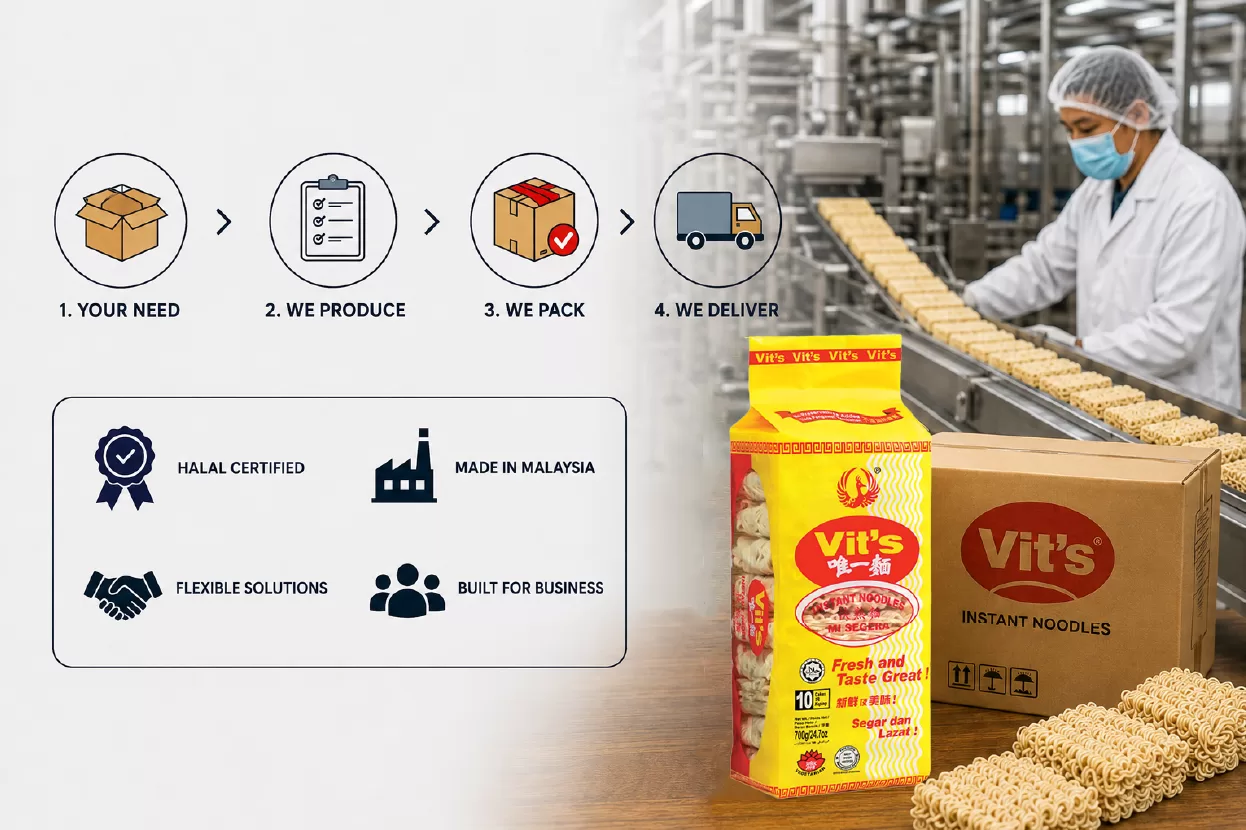
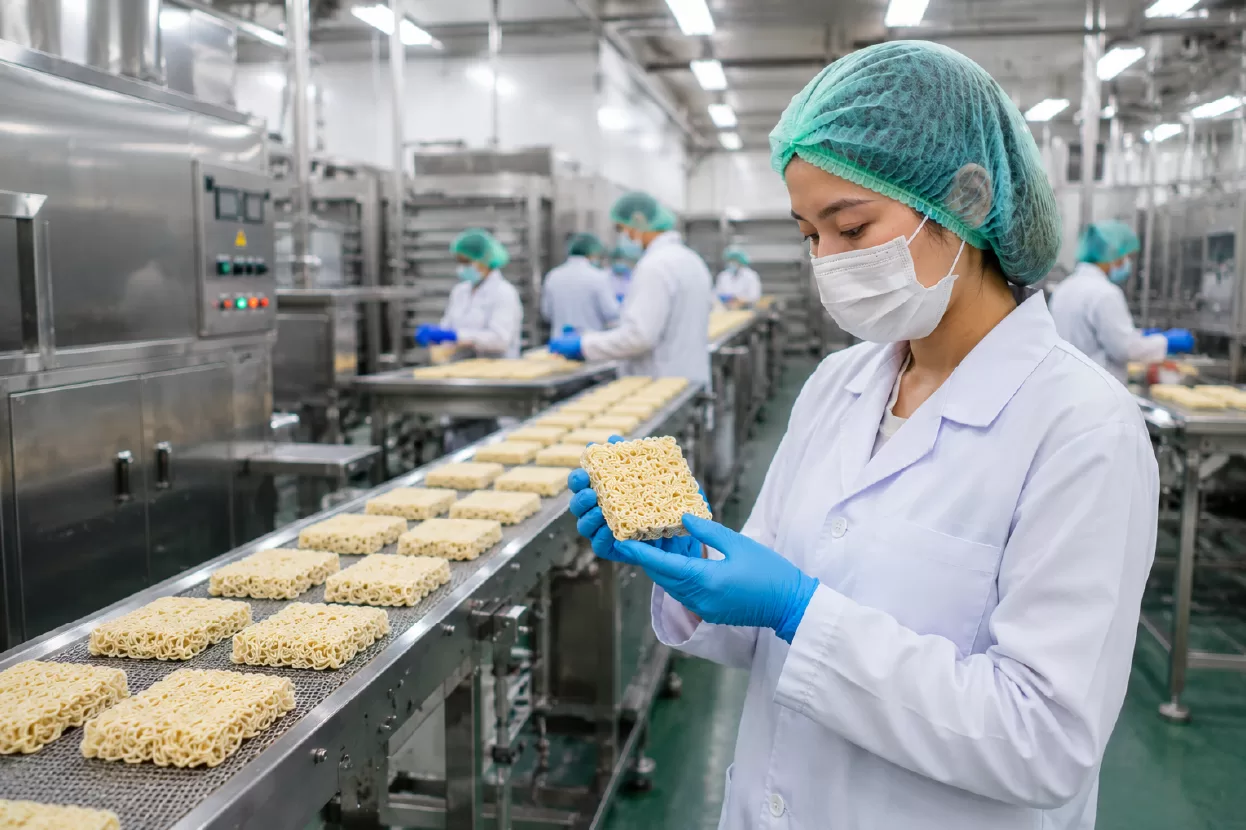
All Vit's products are manufactured in a halal-certified facility with full ingredient traceability across our supply chain. We also hold FSSC 22000, HACCP, GMP, and SEDEX accreditation. These certifications are not marketing credentials. They represent the audited systems, sourcing standards, and production controls that govern how every pack of Vit's noodles is made. You can review our full list of certifications on our about us page. For Malaysian consumers and for the export markets we serve across ASEAN and the Middle East, this level of verified quality assurance is the baseline, not a premium feature.
A cleaner ingredient standard
The position we hold at Vit's is straightforward: consumers should not have to choose between the convenience of instant noodles and confidence in what the product contains. A quality instant noodle should deliver the taste and texture Malaysians have grown up with, produced to a standard that a thoughtful parent would be comfortable with. That belief is reflected in every formulation decision we make, from the ingredients we include to the additives we choose to leave out.
Practical tips for eating instant noodles more healthily
Regardless of which brand you choose, these habits make a meaningful difference to the nutritional outcome of an instant noodle meal:
- Use half the seasoning sachet and season to taste with fresh garlic, chilli, or lemongrass. You will reduce sodium intake significantly without losing flavour.
- Always add a protein source. One or two eggs, a portion of tofu, sliced chicken, or fish transforms the nutritional profile of the meal.
- Include leafy vegetables. Bok choy, spinach, kangkung, or cabbage add fibre, iron, and folate with minimal preparation time.
- Leave most of the broth. The majority of the sodium in an instant noodle meal is in the soup. Eating the noodles and leaving the broth is the single most effective way to reduce sodium from that meal.
- Read the ingredient label. Check for preservatives such as TBHQ, BHA, and BHT, and for artificial colouring. Products without these ingredients exist and are worth choosing.
- Balance the rest of the day. If instant noodles feature in one meal, keep sodium lower across the others.
The Bottom Line
Instant noodles are not the health villain they are frequently portrayed as, but they are also not all the same, and that distinction matters more than most consumers realise. The concerns about sodium are real and worth actively managing through sensible preparation habits. The concerns about preservatives and artificial colouring are also legitimate, but they apply specifically to brands that choose to include those additives, not to the category as a whole. Choosing a brand that has made cleaner formulation decisions addresses those concerns directly.
The most accurate summary of the current evidence is this: consuming instant noodles at moderate frequency, prepared with added protein and vegetables, using a reduced amount of seasoning, and selecting a product made without added preservatives or artificial colouring, is compatible with a healthy diet for most adults. The product you choose and the habits you build around it are both within your control, and both matter.
Vit's instant noodles contain no added preservatives and no artificial colouring, because we believe that the people who eat our noodles deserve a product that is straightforward about what is in it. Browse our full product range, explore our recipe ideas, or read more on the Vit's blog. If you are a business looking to develop a clean-label noodle product through our OEM manufacturing capability, contact the Vit's team today.